

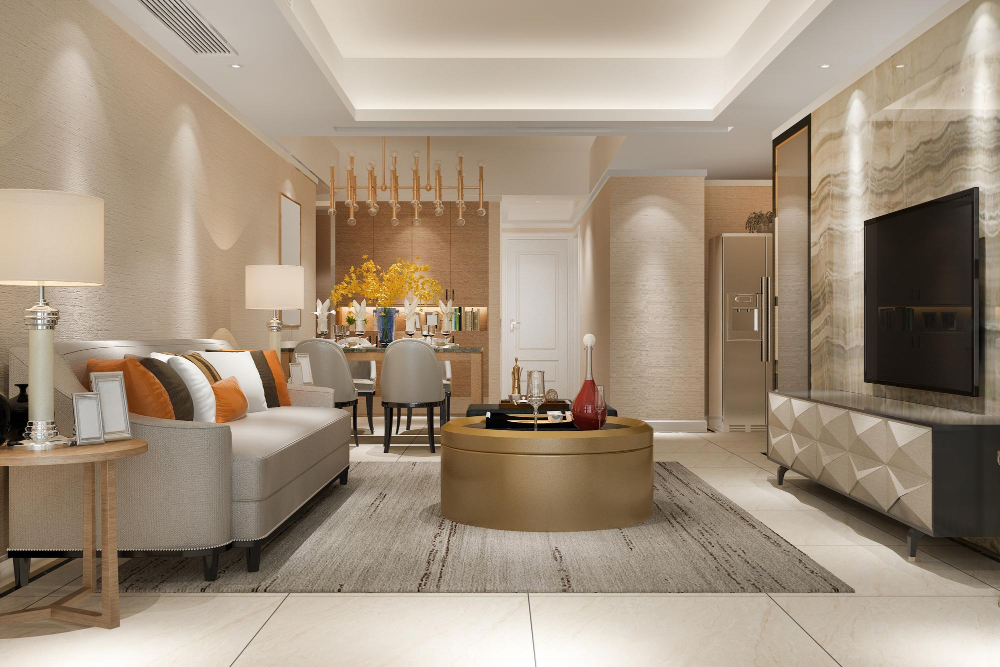

Abandoning the furniture shopping cart is a phenomenon that costs furniture retailers millions every year, and the strangest part is that it happens after the customer has already made half of their decision. They added the product to their cart, liked the design, found the price reasonable, and then left without a clear reason, and without coming back, in most cases. If the reason were the price, the solution would be simple: a discount here, an offer there, and it could work. But the numbers say something different, since 78% of shoppers abandon the furniture shopping cart. And when you ask about the real reason, the answer in most cases isn’t the price.
In this article, we’ll go over the real reasons behind abandoning the furniture shopping cart, and how to solve it with smart tools that raise the conversion rate and bring the hesitant customer back onto the path to a decision.
The Numbers Every Furniture Retailer Should Know
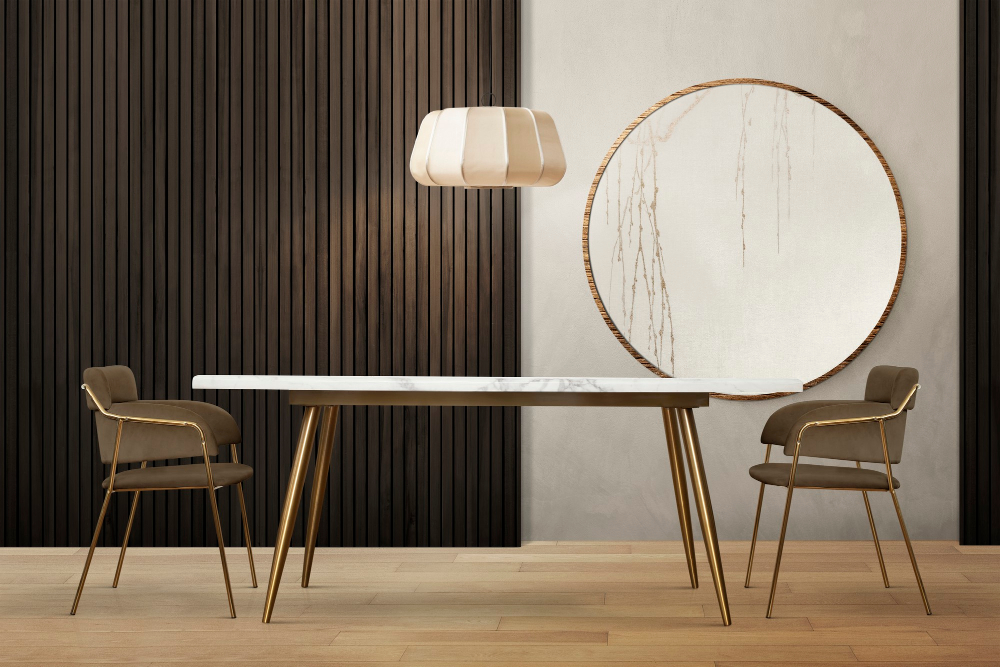
78% of buyers abandon the furniture shopping cart, and this number isn’t a statistic you read and forget.
It means that out of every ten customers who add a product to their cart in your store, seven of them, four out of every five, leave without buying.
The difference between an interested visitor and a decided visitor is the gap that drains your store’s revenue every day without showing up clearly in any report.
The interested visitor browses, likes what they see, adds to the cart, but hasn’t yet reached the point where they feel confident enough to click the purchase button.
This gap between interest and confidence is the real problem, one that isn’t solved by extra discounts or bigger ad campaigns.
As for the cost of abandoning the furniture shopping cart on a store’s annual revenue, it’s far bigger than most retailers imagine.
If your store attracts a thousand visitors a month and your cart abandonment rate is 78%, you’re losing sales from 780 potential customers every single month.
Multiply that by the average order value, and you’ll find a number worth stopping to think about for a while.
The Real Reasons Behind Abandoning the Furniture Shopping Cart
When a furniture retailer asks why their customers leave without buying, the easy answer is always the price.
But the real answer is deeper than that, and much more solvable once it’s properly understood. Here are the most notable of these reasons:
- The customer’s inability to picture the product in their actual space is the first and most influential reason. A sofa that looks perfect against a white background in your store’s photos might look too big, too small, or color-mismatched in the customer’s room, and they simply don’t know.
- Fear of making a mistake in a decision that will last for years. This creates a psychological weight that makes the purchase decision much harder than it looks. And any doubt, no matter how small, is enough to postpone the decision indefinitely.
- Difficulty comparing between options without visual context. Every photo of a furniture piece exists in its own context, not in the context of the customer’s own room. And the more options there are without context, the more hesitation grows, leading to abandoning the furniture shopping cart.
- Lack of confidence in a solo decision, especially since buying furniture in our Gulf culture is mostly a shared decision. The wife consults her husband and vice versa, and when someone browses alone and can’t clearly show the result to whoever shares the decision with them, they’d rather postpone than take the risk.
Why Don’t Discounts Alone Solve the Problem of Abandoning the Furniture Shopping Cart?

A discount is an effective weapon in the right place, but when it comes to the problem of abandoning the furniture shopping cart, it’s often the wrong medicine for the right disease.
When a customer leaves because they can’t picture the product in their room, the discount doesn’t answer their question. They’re not saying the product is expensive, inside, they’re saying “I don’t know if this will look good in my home.”
A 20% discount doesn’t answer this question, it just makes them buy something they’re still unsure about at a lower price. And the result? A purchase followed by regret, and a return that costs the retailer more than the discount itself.
Repeated discounting also has a dangerous side effect that many retailers don’t see until it’s too late: it teaches the customer to wait for offers before buying.
Once your customer gets used to your store offering discounts regularly, they stop buying at full price and start waiting instead. So you lose your margin twice, once on the discount, and once on losing the full-price buyer.
A discount is a real solution when the problem is actually about price, when the customer likes the product and trusts their decision, but the price is outside their budget.
In that case, the discount closes the deal. But when the problem is visual certainty, the solution is a tool that shows them, not an offer that tempts them.
Improving the Conversion Rate in a Furniture Store Starts With the Visualization Experience
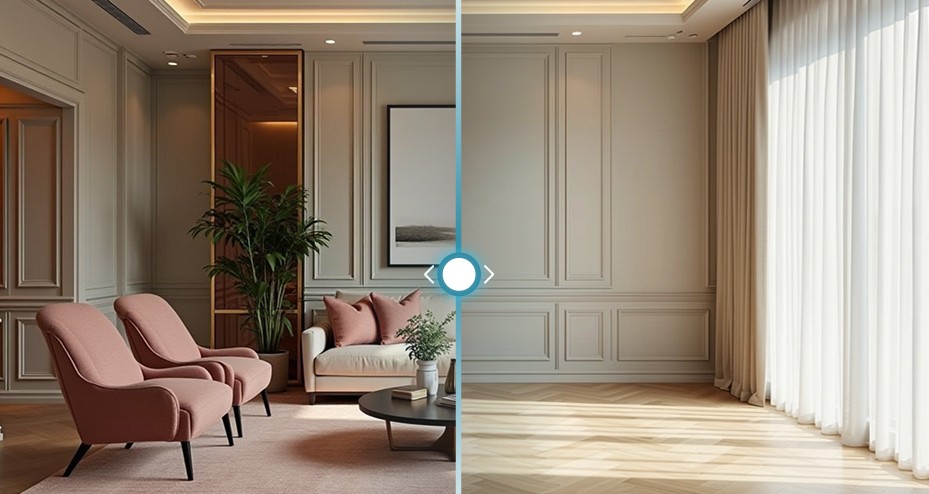
Improving the conversion rate in a furniture store doesn’t start on the checkout page, and it doesn’t start with abandoned-cart reminder messages. It starts the moment the customer sees the product for the first time.
Visual certainty is the root solution to the problem of abandoning the furniture shopping cart.
When a customer sees your product inside a room that resembles their own, the questions of doubt disappear on their own.
So they don’t ask whether the size will fit, because they can see it. They don’t hesitate over the color, because they can see how it looks with the rest of the furniture.
And they’re not afraid of a solo decision, because they can show it clearly to whoever shares the decision with them.
The difference in numbers between a store that shows isolated product photos and a store that offers a full visualization experience isn’t a minor difference, it’s a twenty-fold increase in conversion rate.
And this number doesn’t come from better products or cheaper prices, it comes from an experience that gives the customer what they were missing to make their decision.
Practical Strategies to Reduce Abandoning the Furniture Shopping Cart in Stores

Understanding the problem is one step, but the solution needs practical strategies applied at every touchpoint with the customer.
Here are some practical strategies to prevent abandoning the furniture shopping cart:
- The interactive design experience right on the product page itself. Instead of taking the customer to an external page or asking them to download an app, let them see the product in their room directly on the product page they’re already browsing.
- Smart recommendations that complete the room, not confuse the customer. When your customer picks a sofa, don’t show them twenty similar products, show them the table, the rug, and the cushions that go with it.
- Reducing the number of steps from selection to payment. Every extra click and every extra page load is another chance for the abandoning-the-furniture-shopping-cart problem to happen. There should be as few steps as possible and as little time as possible to complete the purchase.
- Winning back the hesitant customer at the right time. A customer who left with an abandoned cart hasn’t necessarily decided not to buy, they’re still interested but haven’t found enough certainty yet. A well-timed reminder message can bring them back to the product page along with a tool that shows them the product in their room.
How Do Zory’s Smart Tools Turn Your Store From One That’s Browsed Into One That’s Bought From?
Zory doesn’t offer your store an extra feature, it addresses the root problem that makes 78% of your customers leave without buying.
Through three integrated channels, it ensures your products reach the customer wherever they are, with an experience that turns abandoning the furniture shopping cart into a decision to complete the purchase. Specifically:
- On the Zory platform, your products appear inside a furniture gallery featuring AI-generated room designs, in front of thousands of customers who are actually looking for what you sell. So they see your products in a real context, not against an isolated white background.
- Through the API tool for your website, your customer designs their room with your products directly on the product page and buys with confidence without ever leaving your site. This integration is also easy, requires no technical effort on your part, and significantly boosts online furniture sales.
- Inside your showroom, a simple tablet turns into a sales tool that your team uses to design the customer’s room right in front of them and close the deal in the same session.
It’s worth noting that Zory’s smart recommendations don’t show random products, they suggest pieces that match the customer’s chosen style, dimensions, and colors.
A customer who came looking for a sofa leaves with a whole room, because the recommendation came at the right moment and in a natural way, not a forced one.
Zory also gives you monthly performance reports that show you exactly where your customers engage with your products and where they leave.
This lets retailers know what’s working and what needs improvement, to avoid the recurring problem of abandoning the furniture shopping cart and to improve the furniture shopping experience.
Retailer Success Stories With the Zory: How Abandoned Carts Turned Into Repeat Sales
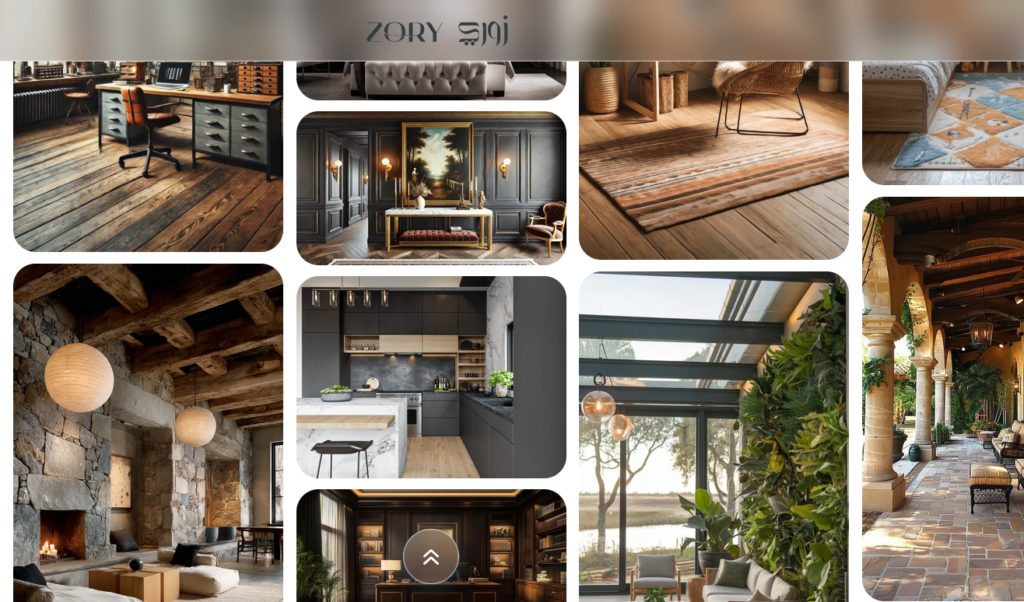
A Saudi furniture store was living the same equation that many retailers live: good traffic, high-quality products, competitive prices… but sales that didn’t match the volume of visits.
Rates of abandoning the furniture shopping cart kept rising, and when the team started talking to its customers, they discovered the same sentence coming up again and again: “I don’t know how it’ll look in my room.”
The problem wasn’t the product, the price, or the quality of the website, it was that visual gap that made the customer hesitate at the very last moment.
When the store connected its catalog to the Zory platform, the picture changed within a single week.
Customers started seeing the sofas, tables, and rugs inside designs of their actual rooms, instead of isolated photos that didn’t answer their most important question.
The result wasn’t a surprise to anyone who understands the psychology of buying furniture:
- The cart abandonment rate dropped noticeably.
- The average order value rose, because customers started buying whole rooms instead of single pieces.
- Customers started coming back regularly, because the experience became enjoyable and convincing instead of exhausting and confusing.
Most importantly, these results came without changing the products or lowering the prices, the only change was in how what already existed was being presented. This shows that AI room design tools have the power to change the furniture trade for the better.
Conclusion
78% of your customers don’t leave because they don’t like your products or because your prices are too high, they leave because one question never found its answer at the right time: “How will this look in my space?” A retailer who understands this doesn’t spend their budget on discounts that tempt but don’t convince, they invest it in a tool that answers this question the moment the customer asks it.
Zory gives you this tool, from an interactive design experience right on your website, to your products appearing in real designs in front of thousands of users, to performance reports that show you exactly where you’re losing sales and how to win them back.
Sign up for Zory for Retailers today, connect your catalog, and boost your sales while getting rid of the annoying problem of abandoning the furniture shopping cart.