



The furniture shopping experience in the Gulf is no longer what it was five years ago. Something has changed in the way the Gulf shopper thinks, in their expectations, and in their patience with the traditional methods that retailers have relied on for decades. The scene used to be clear: the customer visits the showroom, browses the catalog, asks the salesperson, and comes back the next day with their spouse to buy together. Today, that scene has changed dramatically. The Gulf shopper now begins their journey on their phone before they even think about visiting any showroom — searching, comparing, saving, and looking for an experience that is worth their time.
In this article, we explore how furniture buying behavior has changed in the Gulf, and why retailers who understand this shift are winning the market and delivering an unmatched furniture shopping experience.
How Has Gulf Shopper Behavior Changed When Buying Furniture?
Before today’s Gulf shopper walks into any furniture showroom, they generally already know what they want — or at the very least, they know what they don’t want.
They have spent hours browsing, comparing, and saving images on their phone. The buying journey no longer starts at the showroom door — it starts in bed before sleep, during a lunch break, or while waiting in a queue.
This shift represents a fundamental change in the nature of the relationship between the retailer and the shopper who is looking for the best furniture shopping experience.
The Gulf shopper today is more familiar with available prices and options than ever before.
At the same time, the shopper is less willing to waste their time on an experience that doesn’t offer them real value.
They don’t want to be persuaded — they want to discover and buy with a confident decision.
And confidence is the key word behind any successful furniture shopping experience. In a market where products look similar and prices are close, the Gulf customer now chooses based on experience more than price.
The store that gives them a comfortable, clear, and convincing experience wins their loyalty — regardless of whether its price is the highest or somewhere in the middle of the market.
Why Is The Digital Furniture Catalog No Longer Enough On Its Own?
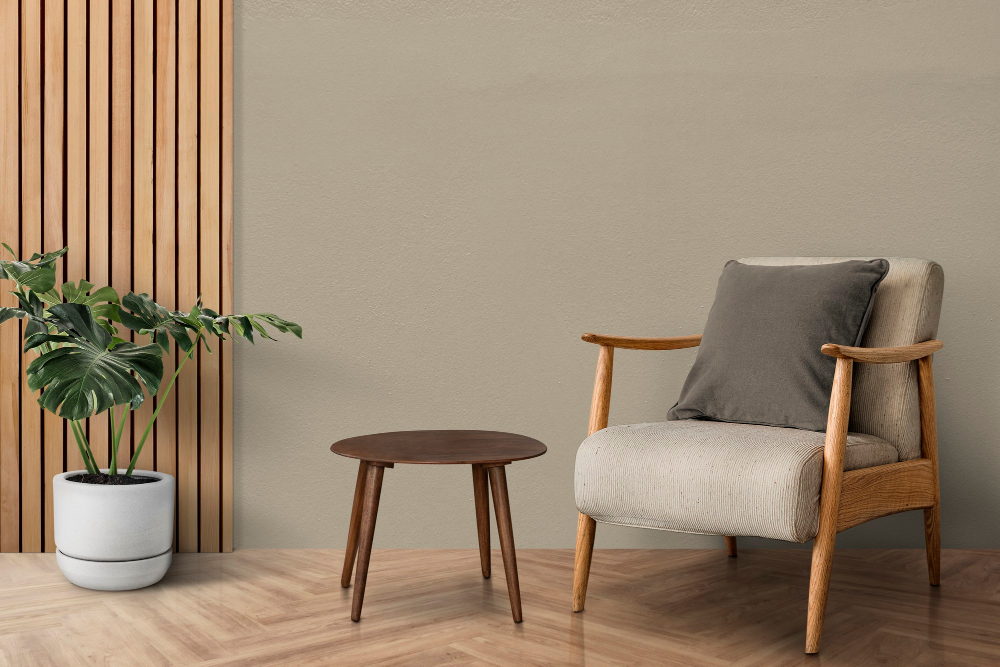
The digital catalog served its purpose well in its time. It was a qualitative leap when retailers moved from printed catalogs to digital pages — and suddenly the customer could browse hundreds of products from wherever they were.
But the competitive advantage that used to set the smart retailer apart just a few years ago has now become nothing more than a basic requirement that distinguishes no one.
The problem with the digital catalog is not in what it shows, but in what it cannot answer.
It displays the image, the price, and the specifications — but it cannot answer the most important question: how will this look in my room?
And that question specifically is what makes all the difference in any furniture shopping experience. It is also what stops the purchase decision and turns an interested shopper into a hesitant one who leaves the page.
When a customer browses a traditional digital catalog, they are seeing products — but they are not living an experience.
And the difference between seeing and experiencing is exactly the difference between a customer who browses and a customer who buys.
What Makes A Real Furniture Shopping Experience In 2026?

A genuine furniture shopping experience today is built on three pillars, none of which can be done without:
Visual Context
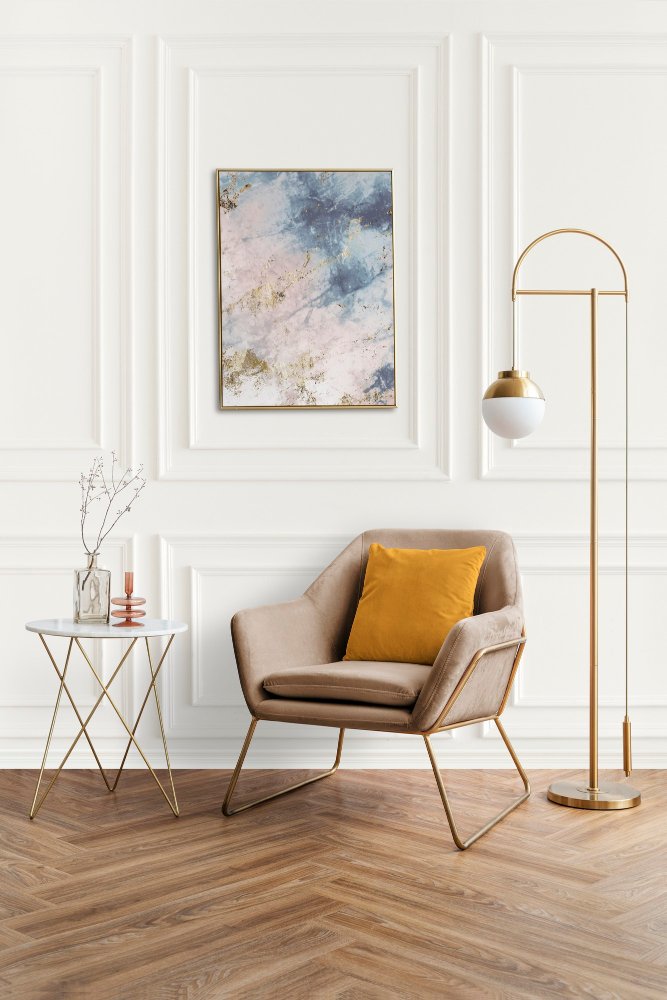
The customer needs to see the product in an environment that resembles their actual surroundings — not against an isolated white background.
A product that appears inside a complete room with real colors and real dimensions creates an emotional connection with the customer that no traditional image can achieve.
Interaction And Personalization
The customer needs to be a participant in the process, not a spectator.
A customer who can change the color of the sofa, swap out the table, or see how the room looks with a different arrangement is not just shopping — they are building a relationship with what they see.
And that relationship is what transforms them from a browser into a buyer.
Ease
From the moment of selection to the moment of purchase, with as few steps as possible.
Every additional step between “I want this” and “I bought this” is an opportunity for hesitation and retreat. Building a smart furniture shopping experience can shorten this distance and make the decision feel easy and natural.
How Does Zory Transform A Furniture Catalog Into An Interactive Shopping Experience?
Error: Only zory.ai domains are allowed
Zory platform has transformed the traditional digital furniture catalog into an unparalleled interactive furniture shopping experience.
Through it, your products don’t just sit there — they move from a white background into fully furnished real rooms powered by artificial intelligence, in front of customers who are actively searching for exactly what you sell.
On Zory, your products appear inside a large digital furniture showroom featuring smart room designs, in front of thousands of active users every month — along with periodic reports showing how customers interact with your products and how those interactions convert into actual sales.
Through the API tool for your website, your customer can design their room using your products directly and purchase within the same session without ever leaving your page.
And inside your physical showroom, a simple screen or tablet can be transformed into an interactive furniture sales tool through which your team designs the customer’s room in front of them in real time.
This is the enormous impact that artificial intelligence tools have had on the furniture trade across the Arab world and globally.
The Impact Of A Smart Shopping Experience On Furniture Sales In The Gulf
When the customer sees a complete room rather than a single piece, they don’t just buy one item — they buy the entire scene, including all the furniture pieces and décor it contains.
This is precisely what naturally raises the average order value, because smart recommendations suggest complementary pieces at the right moment and in a logical way.
Many Saudi stores have adopted the Zory tool and witnessed the difference for themselves. These stores connected their catalog to the Zory platform, saw cart abandonment rates decline, and watched the average order value rise.
Where customers used to browse, add to the cart, and then leave — they now return to enjoy a smart and effective furniture shopping experience.
The Retailer Who Understands Their Gulf Customer Builds A Store That Cannot Be Competed With
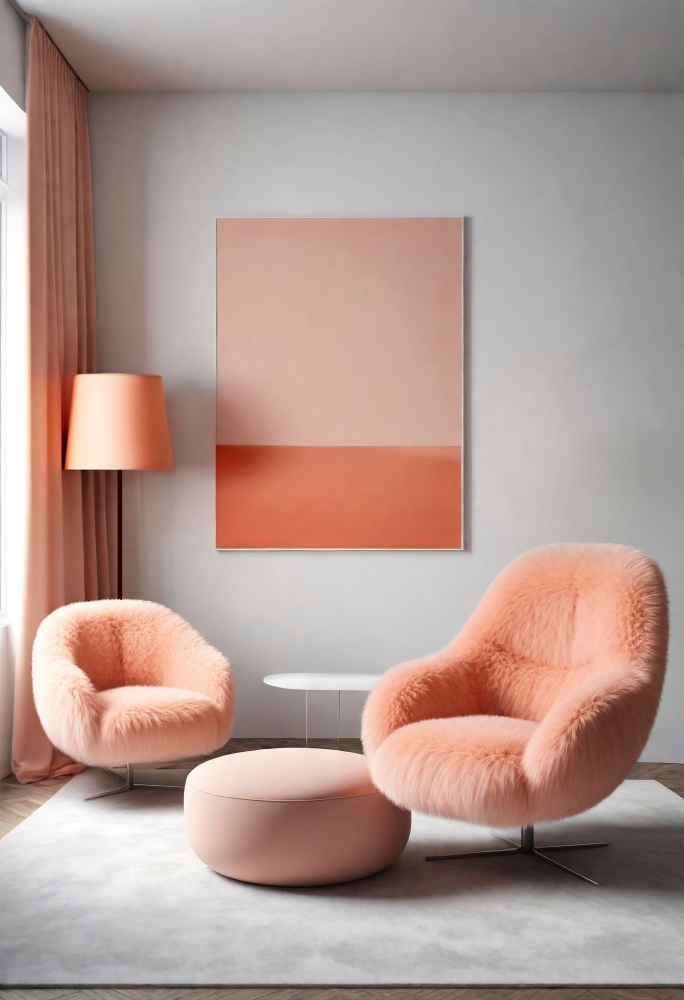
The Gulf market has its own unique character — the taste is different, the expectations are different, and the decision-making process is different.
The Gulf shopper pays great attention to aesthetic details and is deeply influenced by the home as a space of identity — a reflection of their personality and values.
This means that an AI design tool that understands this context and delivers content aligned with local taste and the region’s housing standards makes a real difference.
The Zory platform was built from day one for the Gulf market and for a smart, unrivaled furniture shopping experience.
It is Arabic-first, integrated with the region’s retailers, and built with a genuine understanding of what the Gulf shopper is looking for when they think about furnishing their home.
This is what makes the retailer who relies on it not just someone who presents products better — but someone who delivers an experience that makes the customer feel it was made specifically for them.
A retailer who gives their customer that feeling doesn’t need discounts to bring them back. The customer returns simply because they haven’t found anywhere else what they found here.
Conclusion
Furniture buying behavior in the Gulf has changed, and this change is not a passing wave — it is a fundamental shift in the shopper’s expectations and way of thinking.
The customer who used to be content with browsing a digital furniture catalog and visiting a showroom is now looking for a complete furniture shopping experience that gives them certainty before they commit to any decision.
Retailers who understand this are no longer competing over who has the largest catalog or the lowest price — they are competing over who delivers the best experience.
And this battle is not won by beautiful images alone, but by the ability to place your products inside your customer’s life before they buy. The Zory platform was built specifically for this market, with a genuine understanding of the Gulf shopper, their expectations, and their taste.
From transforming your catalog into an interactive design experience, to having your products appear in front of thousands of active users, to serving as an effective sales tool inside your showroom.
Don’t wait for the market to change around you — be the one who leads the change. Start listing your products on Zory, connect your furniture store with us now, and transform your catalog from a product list into a furniture shopping experience your customer will never forget.