

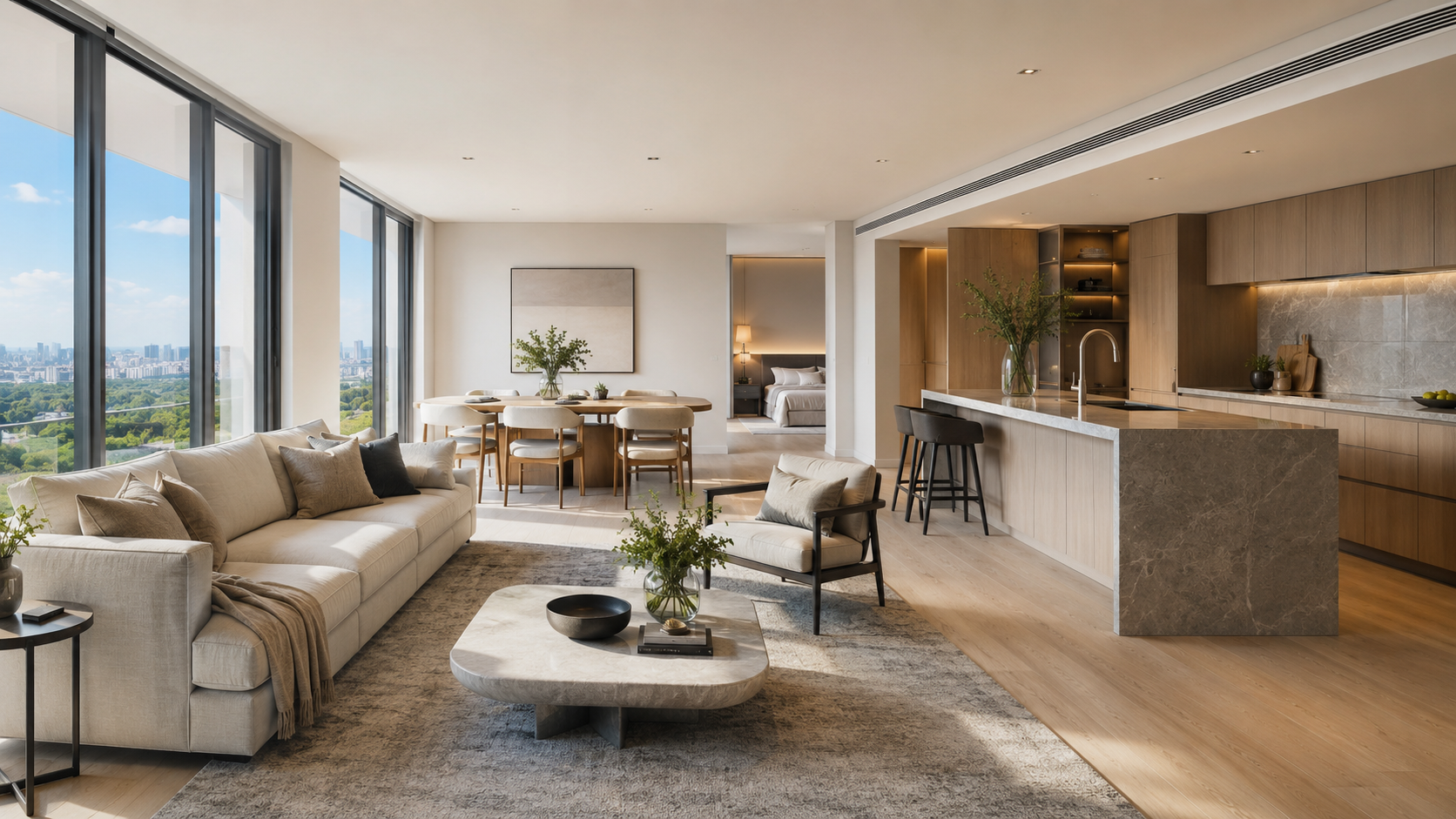

How AI interior design work? This question has become more important as AI has moved from being just a tool for generating images to a technology that takes part in actual stages of the design process. Users no longer have to imagine what a room will look like after furnishing it, or wait a long time to see several proposals, since modern tools can analyze the space, create different visualizations, and suggest suitable furniture within a short time. But the difference between one tool and another does not lie only in its ability to produce an appealing image, but in what happens behind that image.
In this article, we explain how AI interior design works, and what sets professional platforms apart.
What Is AI Interior Design?
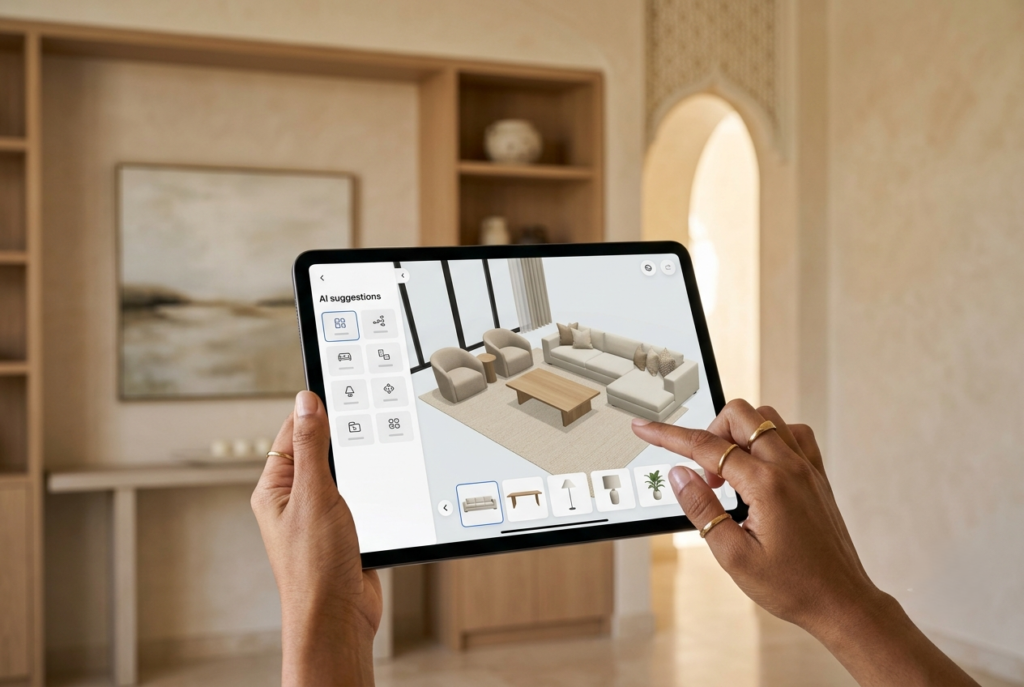
It is the use of artificial intelligence technologies to analyze spaces and turn photos, floor plans, or descriptions into interior visualizations that help you imagine what the place will look like before executing the design or buying furniture.
The technology is not limited to creating beautiful images, advanced platforms can also help choose the style, arrange the furniture, and suggest products suited to the space.
Its importance lies in making the design process faster and more flexible, since several ideas and directions can be tried within a short time, instead of relying on a single visualization and making revisions that take a long time.
How Does AI Interior Design Work?

AI works by analyzing the information the user provides about the space, then using it to create a design that matches the specified requirements.
The details differ from one platform to another, but the process usually goes through the following stages:
- Entering the space information: a photo and the dimensions of the room, or the home’s floor plan.
- Analyzing the space: identifying the walls, windows, doors, and existing elements, and estimating how they are arranged.
- Determining the style: choosing the desired look, such as modern, classic, or minimalist.
- Creating the design: generating a visual representation of the space based on the data and inputs.
- Arranging furniture and décor: suggesting elements that suit the space and the desired style.
- Trying alternatives: changing the colors, the furniture, or the style, and creating different visualizations for comparison.
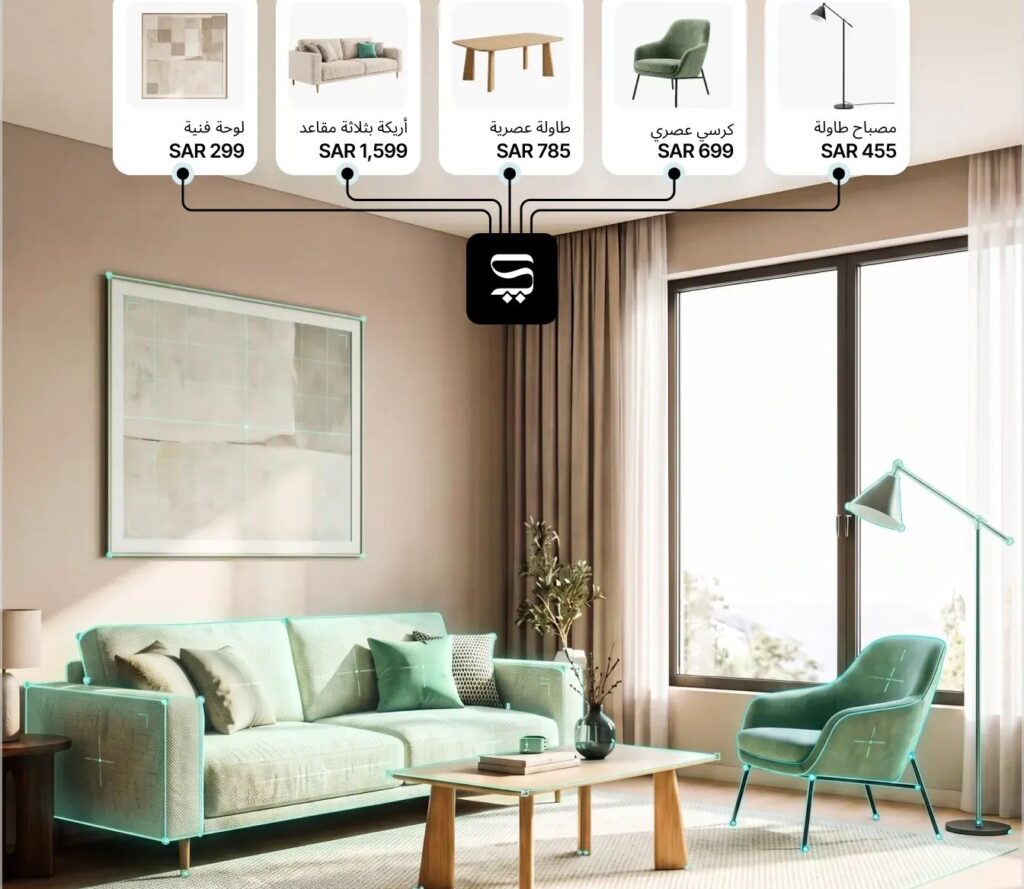
- Choosing products: on more advanced platforms, the design elements can be linked to real, purchasable products.
What Data Does AI Need to Create an Interior Design?
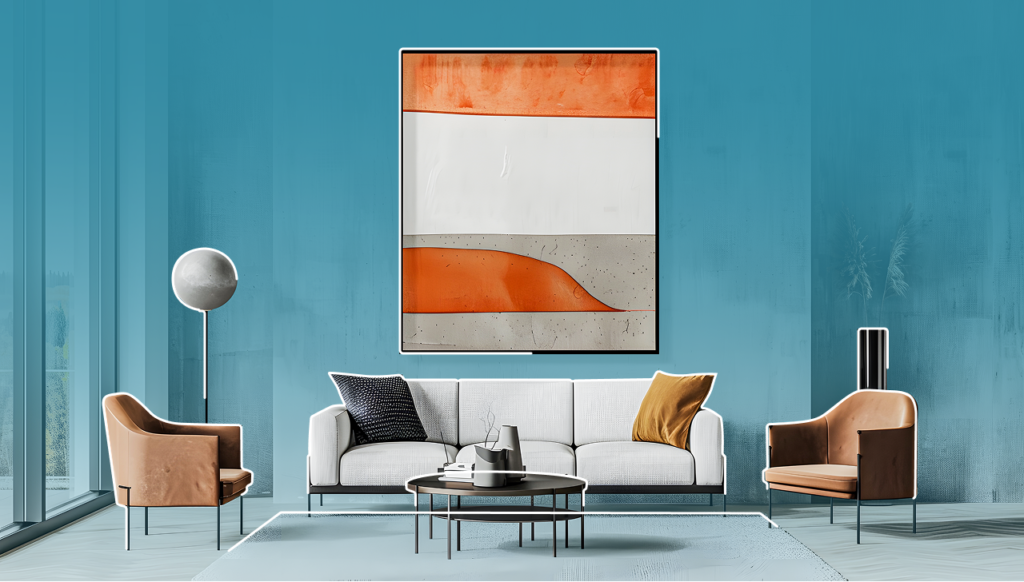
The quality of the design AI produces depends heavily on the quality of the data it receives.
When it comes to how AI interior design works, the more accurate the information, the easier it becomes to reach a result that suits the space and the actual needs.
Among the most important data it may need:
- A clear photo of the space: helps the tool understand the current shape of the room and the elements within it.
- The floor plan and dimensions: essential information for creating a design that fits the actual space and avoiding suggestions of unsuitable furniture.
- The type of room: such as a living room, bedroom, office, or dining room.
- The preferred design style: to steer the results toward the look that suits the user’s taste.
- Preferred colors: especially when there are specific colors the user wants to keep.
- Existing furniture: knowing which pieces will remain in the place helps create a more cohesive design.
- The budget: when the platform is able to provide smart furniture recommendations for purchase, the budget helps narrow the options toward suitable products.
- The expected use of the space: the needs of a family living room differ from those of a guest room or a home office.
How Does AI Interior Design Help Homeowners?
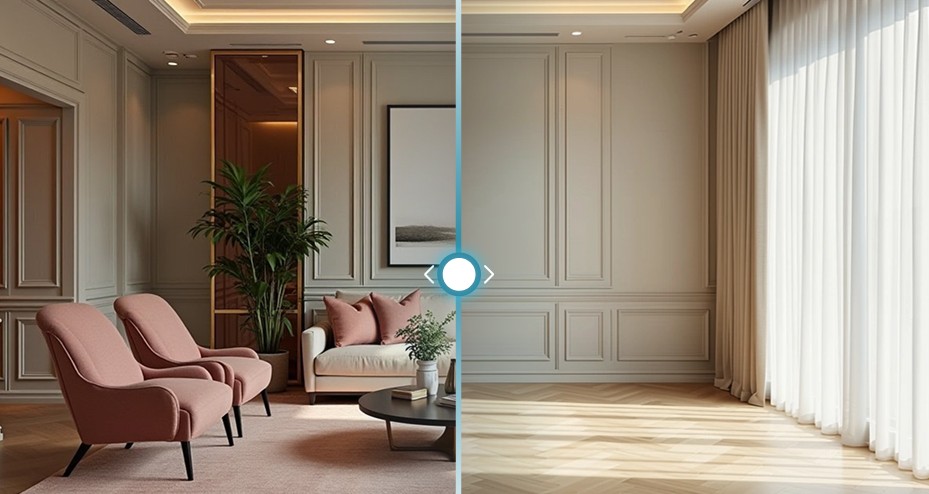
AI gives homeowners an easier way to visualize the space and make furniture and décor decisions before purchase or execution, instead of relying on imagination alone.
Here is how AI interior design works and how homeowners can benefit from it:
- Visualizing the room before furnishing it: turning a photo or plan of the space into a design that shows what it will look like after furnishing.
- Trying different styles: comparing more than one style, set of colors, and layout before choosing the final design.
- Choosing furniture suited to the space: getting suggestions that take the size of the room and the nature of the design into account.
- Reducing the chance of a wrong purchase: seeing the pieces within the design helps assess how well they fit before buying them.
- Saving time and effort: exploring ideas and options without the need for lengthy manual searching among a large number of products.
How Do Interior Designers Benefit From AI?
For the professional interior designer, AI works as an assistant that cuts down repetitive tasks and gives them more room to focus on the creative vision and the client’s needs.
Here is how AI interior design works for interior designers, and its most important uses:
- Creating initial visualizations quickly: turning plans or ideas into visual scenes that can be developed further.
- Trying multiple alternatives: testing different colors, styles, and layouts within a short time.
- Speeding up the search for furniture: accessing pieces that suit the project’s style, space, and budget.
- Improving the presentation of ideas: giving the client a clear visualization instead of relying only on description or plans.
- Reducing revision rounds: trying changes visually and reaching the right direction faster.
- Raising the value of the service: offering a more interactive experience that helps the client take part in the design process and the decision-making.
How Do Furniture Retailers Use AI to Display Their Products?
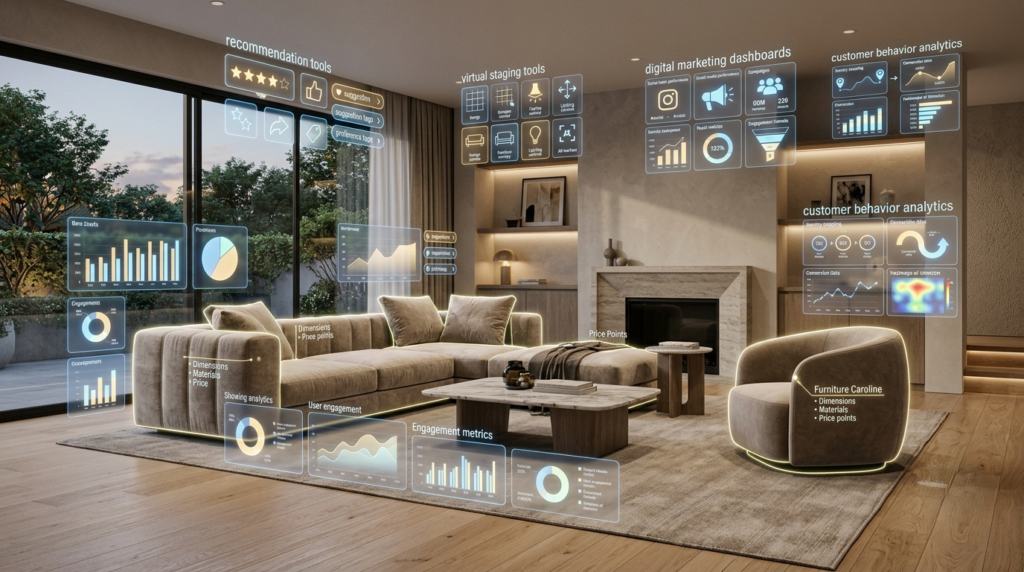
AI changes the way furniture is displayed, from separate product photos to an experience that shows the client how a piece could look within a complete space.
Here is how AI interior design works for furniture retailers and how they can benefit from it:
- Placing products within realistic designs: helping the client picture the sofa, table, or bed within a complete room.
- Suggesting coordinating products: showing other pieces that could complement the main product and increase upsell opportunities.
- Turning the online store into a design experience: enabling the client to explore products within a visual context instead of just browsing a catalog.
- Supporting sales inside the showroom: the sales team can use the interactive design to create a visualization of the client’s space right in front of them, thereby boosting furniture sales.
- Linking the design to purchasing: when the displayed products are real, the client can move from seeing the piece within the design to choosing and buying it.
In this way, AI becomes a means that helps furniture retailers sell the design solution, not just the individual product.
How Do Real Estate Developers Use AI to Market Units?
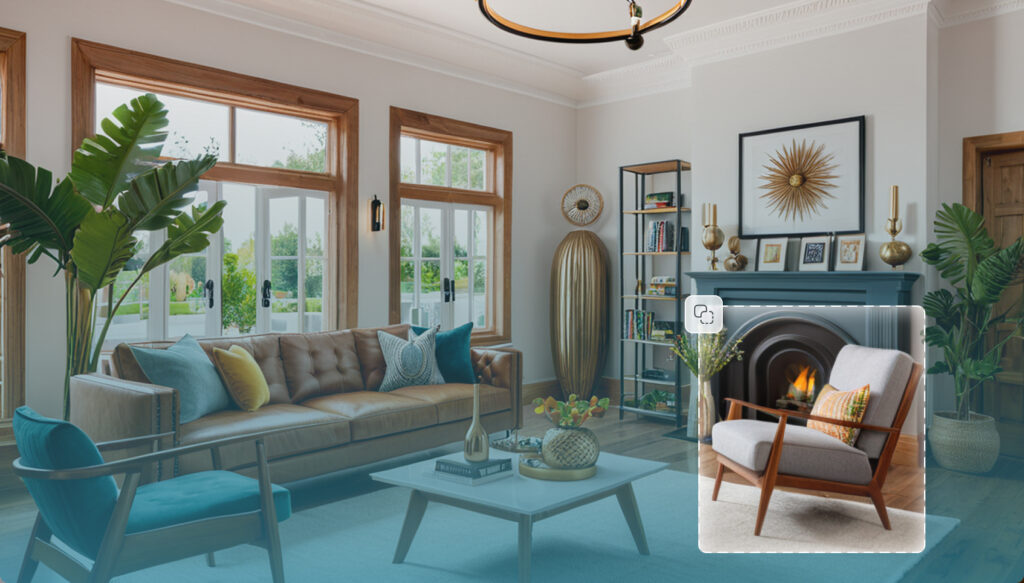
AI platforms help the real estate developer address one of the biggest challenges in selling units: the difficulty a buyer has imagining the shape of a space when it is empty or not yet complete.
Here is how AI interior design works for real estate developers and how it is used:
- Turning floor plans into furnished interior visualizations: giving the buyer a clearer picture of the unit’s potential.
- Marketing off-plan real estate units: using the visualizations in marketing campaigns and sales presentations.
- Presenting more than one design style: showing how the unit can be used in different ways according to buyers’ needs.
- Supporting the sales team: using the visualizations to explain the spaces and their potential more persuasively, thereby improving real estate sales.
- Improving the buyer’s experience: helping the client imagine their life inside the unit before signing or handover.
- Offering a post-sale experience: the design can be linked to furniture selection to help the buyer set up their home after receiving it.
In this way, AI is no longer just a means of producing marketing images, it becomes part of the real estate sales experience, from the moment the property is discovered to imagining life inside it.
The Best Professional Platforms for AI Interior Design

When looking for the best AI interior design platforms, it is important to distinguish between tools that merely generate design images and integrated platforms that help the user move from the visualization to choosing furniture and then buying it.
This is where Zory comes in as a different choice, because it was designed to bring together the stages of the design experience within a single platform, built for the Gulf market.
Why Zory Stands Out from Traditional Design Tools
Here is how AI interior design works and why Zory stands out from traditional design tools:
- Designed for the Gulf market: Zory was developed with the nature of homes, user preferences, and the needs of the furniture market in the Gulf in mind, instead of relying on generic recommendations aimed at different markets.
- Arabic AI first: Zory relies on a local understanding of design, which helps it offer an experience more closely connected to the region’s culture, taste, and residential context.
- Turning floor plans into 3D scenes: the user can move from a 2D plan to a furnished visualization that helps them see the space’s potential more clearly.
- More than 50,000 real products: the experience does not end with a virtual design, design elements can be linked to real products from trusted retailers.
- More accurate recommendations: Zory takes style, dimensions, and budget into account when suggesting furniture, so the recommendation is closer to the user’s actual needs.
- A platform that serves more than one category: whether you are a homeowner looking for a suitable design, an interior designer wanting to speed up your work, a furniture retailer looking to present your products in a more interactive way, or a real estate developer wanting to market your units visually, Zory offers solutions designed for these needs.
- Design and purchasing in a single experience: instead of creating the design and then manually searching for every piece that appears in it, Zory links the visualization to the product, shortening the user’s journey from idea to choice to purchase.
This is exactly what makes Zory different and the best Arabic platform for AI interior design, it treats design as the beginning of a complete experience, not its end.
Conclusion
AI interior design is no longer just a way to create beautiful images, it has become a tool that helps you understand the space, try out ideas, choose furniture, and make more confident decisions.
As this technology develops, the value of platforms that bring these stages together in a single experience keeps growing, instead of leaving the user to move between multiple tools.
This is where Zory stands out, as an integrated Arabic platform designed for the Gulf market.
If you are looking for an experience that goes beyond creating the design to seeing it, choosing its furniture, and turning it into reality, try Zory and discover the future of AI interior design.