

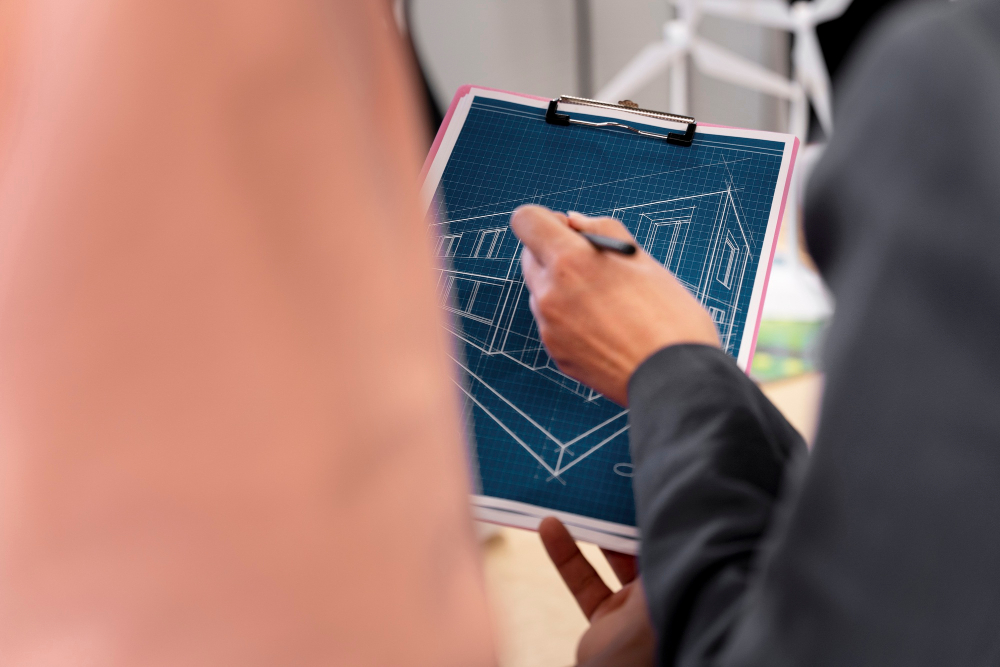

Marketing off-plan real estate units is one of the hardest challenges a real estate developer faces. You’re asking the buyer to commit to a huge financial decision based on lines on paper, numbers in a table, and computer-generated images of a building that hasn’t been built yet. And the buyer in this equation carries a real mental burden. They’re trying to imagine their life in a space they can’t see, on a floor that hasn’t been constructed, in a neighborhood that’s still a construction site. Presentations dress up the brochures and offer scaled-down models, and in the end the buyer walks away with a single sentence: “I’ll think about it and get back to you.”
In this article, we’ll go over how marketing off-plan real estate units can turn from a difficult battle of persuasion into an experience the buyer chooses for themselves.
Why Does the Buyer Hesitate to Purchase an Off-Plan Unit?
Buying an off-plan unit asks something extraordinary of the buyer: to pay a large sum for something they can’t see, can’t touch, and can’t verify.
This contradiction between the size of the financial commitment and the absence of any actual visibility is the core of the hesitation that lengthens the real estate sales cycle in every off-plan project.
The fear the buyer carries isn’t imaginary, it’s a fear built on real experiences they’ve heard about or lived through, such as:
- Units handed over with finishes different from what was promised.
- Spaces that turned out smaller than what the floor plans suggested.
- Designs that turned out disappointing because what the buyer had in mind was different from what was actually built.
All these collective fears mean every new buyer walks into the sales session with a wall of doubt before it even begins.
The difference between buying an off-plan unit and buying a ready unit is a fundamental difference in the nature of the decision.
With a ready unit, the buyer sees, touches, measures, and then decides. With an off-plan unit, they’re asked to decide first and see later.
This reversed order is what makes the decision to buy off-plan psychologically much harder, and it’s exactly why a developer who succeeds at marketing off-plan real estate units holds a real competitive advantage that others don’t have.
What Does a Buyer Need to Confidently Decide to Buy an Off-Plan Unit?
When you ask buyers who closed their off-plan deals quickly why they did it, the answer is usually not “the price was good” or “I liked the location.” The most common answer is: “I saw myself there.”
This simple sentence sums up everything the buyer needs to decide. They don’t need extra guarantees, incentive offers, or lengthy rounds of negotiation, they need one moment where they can see their life inside this unit clearly enough that the decision feels natural, not like a gamble.
The path to this moment requires the buyer to feel that this unit is already theirs before it’s legally theirs.
This feeling isn’t created by a marketing brochure, a scaled-down model, or computer-generated images of an exterior building, it’s created by seeing their bedroom furnished to their own taste, their living room in the colors they love, and their kitchen with the details that reflect their lifestyle.
A buyer who chose the design of their own unit doesn’t back out later. This simple psychological principle is exactly what smart real estate marketing for off-plan units is built on.
How Does AI-Powered Marketing of Off-Plan Real Estate Units Change the Rules of the Game?
Marketing off-plan real estate units with artificial intelligence doesn’t just improve the traditional method, it turns it completely upside down.
Instead of asking the buyer to imagine their life in an unfinished space, it puts them visually inside it before they sign anything.
You upload the unit’s 2D floor plan, and the artificial intelligence generates, within minutes, fully furnished 3D scenes, with real products at actual prices and precise dimensions that reflect the unit’s true size.
The sales team then shares these scenes with buyers before the session, so they arrive with a home in mind, not just a floor plan, and a life, not just lines on paper.
And when you add multiple design models to this, classic, modern, authentic Gulf, contemporary, the buyer’s role changes completely.
Instead of sitting in the seat of an evaluator who accepts or rejects, they become an actual participant in shaping their future dream home.
This participation builds a strong emotional ownership that makes the purchase decision feel logical and natural, because they’re buying what they chose, not what was imposed on them.
The impact on the real estate sales cycle is direct and measurable: buyers who saw their units furnished before the negotiation session close their deals 30% faster than others.
This comes down to following a smart strategy for marketing off-plan real estate units.
A Strategy for Marketing Off-Plan Units at Different Sales Stages
Marketing off-plan real estate units doesn’t work the same way at every stage, each stage has its own nature, needs, and suitable tools. Specifically:
Early Launch Stage
- The first goal is to create demand pressure before raising the price.
- Buyers at this stage are looking for an opportunity, but they need a strong reason to move quickly.
- When you offer them a smart design experience at this stage that shows them their unit furnished, you give them something they won’t find in any competing project.
This distinctive purchase experience drives early decisions and closes more units at the stage that carries the project’s best prices.
Active Sales Stage
- The challenge is turning a visit into a decision within the same session.
- A sales team armed with a smart design tool doesn’t need multiple rounds, they show the buyer different models in the first session and let them choose.
- A buyer who leaves the session having already chosen their home’s design won’t need a week to think it over.
Pre-Handover Stage
This is the stage many developers neglect, but using artificial intelligence in marketing off-plan real estate units is exactly what keeps the buyer’s excitement alive.
Interactive design programs that let the buyer keep developing their vision for their home during the waiting period turn their patience from a source of anxiety into an opportunity for engagement.
The buyer arrives at handover day more excited and more committed to their decision than ever before.
How Do Zory’s Tools Turn Your Off-Plan Unit Into a Home the Buyer Sees and Wants?
Zory platform was built to solve exactly the problem that makes marketing off-plan real estate units such a challenge. It closes the gap between what the developer promises and what the buyer can actually see and trust. Zory offers:
Unit Visualization Tool
Turns the 2D floor plan into professional, fully furnished 3D scenes within minutes, with multiple design models reflecting different styles.
With real products from a catalog of more than 50,000 pieces from trusted merchants in the Gulf market. Your sales team shares these scenes before every session.
Buyer Gift Program
Design vouchers, issued by Zory carrying your project’s identity, let the buyer keep designing their home throughout the construction period.
This way they choose furniture pieces, try out colors, and adjust details until handover day arrives and they’re ready to move into a home they designed themselves, not one they’re discovering for the first time.
All of this experience runs under your project’s full identity, a white-label platform where your buyer interacts under your name and your visual identity at every step, from the first scene they see to the last piece of furniture they choose.
So, through Zory’s tools, you’re able to market off-plan real estate units intelligently and deliver a complete experience that strengthens your buyer’s trust in you and in your project at every moment.
The Smart Real Estate Developer Sells a Life Before Building the Walls
The difference between a developer who shows units and a developer who sells dreams isn’t in the size of the project or the size of the marketing budget, it’s in understanding what the buyer actually wants from this journey.
The buyer doesn’t want a floor plan, they want a home. They don’t want numbers, they want a life. And they don’t want promises, they want certainty.
A developer who gives them this certainty before signing doesn’t need rounds of persuasion, discounts, or sales pressure.
The buyer arrives at their own decision because they saw what they wanted and found it in this specific project.
This shift in the nature of the relationship between developer and buyer goes beyond a single deal.
A buyer who has lived through this experience doesn’t sell their unit after handover, they turn it into a home they’ve already started living in mentally, before they even receive the keys.
They also refer their friends and family because they want them to experience what they experienced, and then they come back to you, along with others, to think about a new investment, because you were the developer who understood them.
Conclusion
A buyer who sees their room furnished to their own taste and choices, who chooses their home’s design before signing, and who arrives at handover day having already lived with this unit mentally for months, doesn’t need to be convinced, they’ve convinced themselves.
And that’s exactly what smart off-plan marketing creates when paired with the right tools.
The Zory platform gives you these tools that help you in the process of marketing off-plan real estate units, providing a complete system that turns every off-plan unit into a home the buyer sees and wants today.
Sign up with Zory today, and start turning your off-plan units from floor plans waiting for buyers into dreams that buyers pursue and choose before they even see any other project.