



Shoppable interiors have become a new way for real estate developers to turn interior design from a purely visual element into an experience that helps the buyer discover the products they see in front of them and take actual steps toward buying them. Instead of the customer’s journey ending at viewing the unit’s design, they can get to know the furniture and accessories and choose what suits their home. This experience opens the door for the developer to build a longer relationship with the buyer, extending from choosing the unit to furnishing and setting it up after handover.
In this article, we explain how developers can benefit from shoppable interiors to increase revenue, improve the post-sale experience, and build a more lasting relationship with buyers.
What Are Shoppable Interiors in Real Estate?
It is an experience that connects the interior design shown to the buyer with the real products it’s made up of.
Instead of the customer seeing a furnished room as just an inspirational image, they can identify the sofa, table, lighting, or accessories in the design, then access the product, its information, and purchasing options.
In the real estate sector, this idea can be applied to unit photos, virtual designs, furnished floor plans, and even digital models of units.
In this way, the design becomes a starting point for an additional shopping journey, helping the buyer move from asking “What could this unit look like?” to “How can I furnish it this way?”
Why Do Real Estate Developers Care About Shoppable Interiors?

Because the property buying experience doesn’t necessarily end when the contract is signed.
A buyer who gets a new unit often needs to choose furniture, lighting, and other products that make the space suit them.
The developer can make use of this stage to offer added value instead of leaving the customer to start their search from scratch.
Among the most notable reasons that make the shoppable interiors experience important for developers:
- Enriching the buyer’s experience: the customer sees how their unit could be furnished instead of settling for an abstract architectural visualization.
- Continuing the relationship after the sale: the developer can stay in touch with the buyer during the design and furnishing stage.
- Personalizing the experience: products and designs can be shown that match the size of the unit and the buyer’s taste.
- Creating additional business opportunities: products and design and furnishing services linked to the project can open new revenue streams.
- Enhancing the project’s value: when the buyer finds a complete visualization of the unit with the ability to discover its elements, the project experience becomes more connected than simply selling the space.
How Does Zory Help Developers Offer Shoppable Interiors?
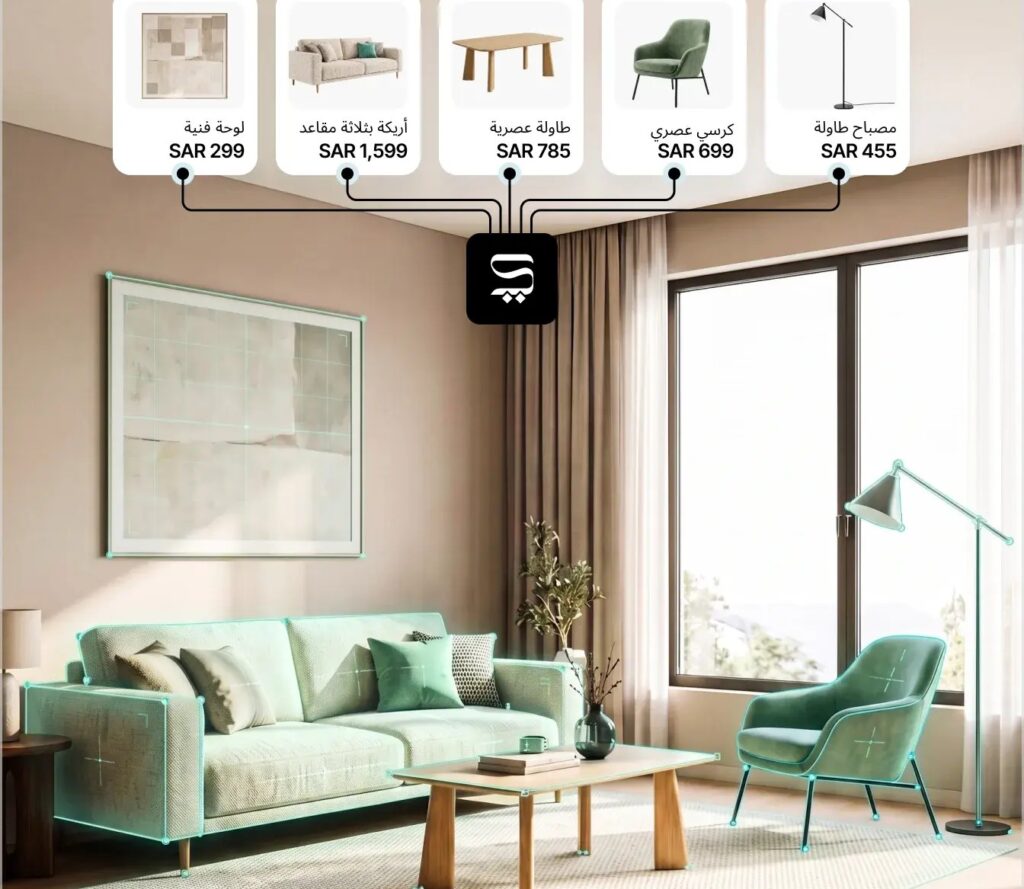
Zory platform is considered one of the best AI interior design platforms for real estate, as it connects space design, real furniture, and purchasing, allowing the real estate developers to present units in a more interactive way.
Instead of showing an interior design separate from the products, a furnished space can be created, then discovery of the pieces shown in it and comparison of products, prices, and stores can be made available.
The furniture discovery tool allows searching for similar products starting from an image or a design the user created on Zory, with the ability to go to the store to complete the purchase.
The developer can benefit from this through:
- Showing units with real furniture: Zory helps create realistic visualizations of units and link them to actual products.
- Turning the design into a shopping experience: the buyer can discover or design the furniture and decor that suits the design instead of just viewing it.
- Making product selection easier: products, prices, and stores can be compared, then the buyer can move to the appropriate store to purchase.
- Linking the design to the actual space: the room plan allows planning the space using real products and their dimensions, while tracking the cost of choices during the design process.
In this way, the real estate developer can offer an experience that starts with viewing the unit, then exploring the design, then discovering products, all the way to furnishing and purchasing, instead of the customer’s experience ending when the property is sold.
How Do Shoppable Interiors Help Build Buyer Loyalty?

Shoppable interiors can extend the relationship between the developer and the buyer beyond the signing of the sales contract.
Instead of the experience ending at unit handover, the developer can help the customer during the stage of choosing furniture and decor, offering tools or offers linked to the new home.
The impact of this shows in several aspects:
- Continuing communication after the sale: the developer stays present during the home setup stage instead of the relationship ending once the deal is complete.
- Offering practical value to the buyer: the customer gets a way to help them discover products suited to their space instead of searching across multiple stores and websites.
- Personalizing the experience: the buyer can be directed to designs and products that match their style and their unit’s needs.
- Creating opportunities for return and engagement: when the platform is linked to the design and furnishing experience, the buyer has a reason to come back and explore new options.
- Strengthening the real estate brand’s experience: the buyer feels that the developer cares about what happens after buying the unit, not just about the sale process itself.
In this way, shoppable interiors become part of the post-sale experience, and can help the developer build a longer relationship with the buyer through ongoing value that goes beyond owning the unit to how it’s turned into a complete home.
How Can a Developer Apply Shoppable Interiors in Their Projects Through Zory?
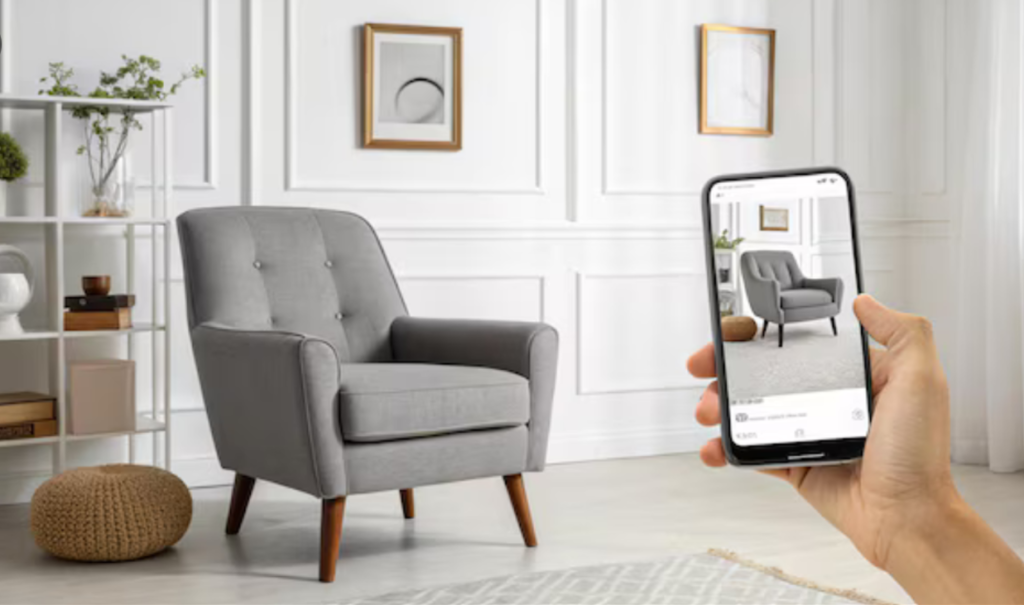
A real estate developer can use Zory to link the unit presentation experience with the design and furnishing experience, so the buyer doesn’t just see the property, but can also explore the potential look of their home and get to know the products that suit the design.
This can be applied through several steps:
- Creating a visualization of the unit: turning the floor plan or space into a furnished design showing how the rooms could be used.
- Customizing the design: choosing the style, colors, and details that suit the project’s identity or the buyer’s preferences.
- Adding real furniture and products: using Zory’s tools to plan the space and discover products that match the design.
- Enabling product discovery: the buyer can search for pieces similar or matching to the design, and compare options, prices, and available stores.
- Offering the post-sale experience: the developer can offer design vouchers or furnishing credits that help the buyer complete setting up their unit through Zory.
- Customizing the experience by unit: different visualizations can be created for apartments or villas according to their sizes and styles, instead of using a single design for all units.
What Should Be Considered When Implementing Shoppable Interiors?
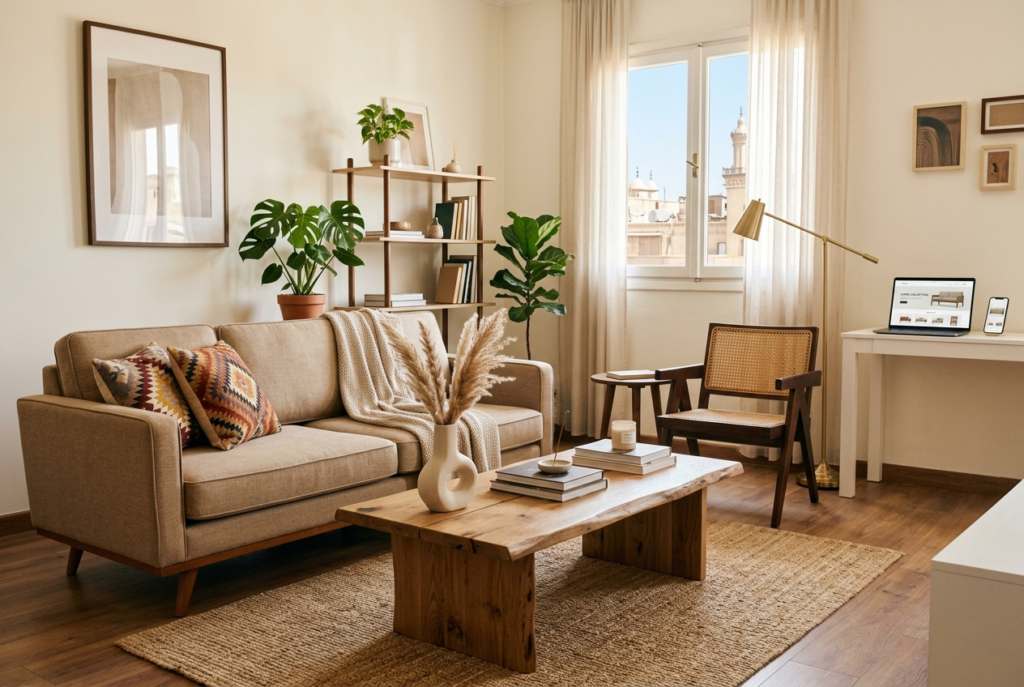
The success of the experience doesn’t depend only on adding purchase links to the design, but on making the products and visualizations useful, accurate, and easy to use.
The developer should therefore consider several points:
- Accuracy of product information: prices, specifications, availability, and store links should be as up to date as possible.
- Suitability of furniture for the space: the suggested products should match the unit’s dimensions and how it’s used.
- Clarity about the nature of the visualizations: the difference between the virtual design and the property’s actual specifications should be made clear, especially when it comes to finishes or furniture not included in the sale.
- Providing varied options: it’s better not to limit the buyer to a single set of products, but to offer alternatives at different price levels and styles.
- Ease of moving to purchase: the clearer the product discovery, comparison, and transition to the store, the more useful the experience becomes for the buyer.
- Transparency of business partnerships: if the developer receives a commission or benefit from selling certain products, it’s important to make this clear to the buyer.
- Protecting customer data: when using the buyer’s preferences and behavior to personalize the experience, the data must be handled in accordance with privacy requirements and the regulations in force.
- Measuring results: engagement with designs and products, the use of vouchers and credits, clicks to stores, and purchases linked to the experience can be tracked to know how successful it is.
In this way, shoppable interiors become part of a complete real estate experience, not just smart real estate marketing.
Conclusion
A real estate developer can make the home buying experience extend further than just choosing the unit, by helping the buyer visualize their space and discover the furniture and decor that suit it, then move on to actual furnishing.
This is where shoppable interiors turn interior design into a new point of connection with the customer, opening the door to a more interactive experience and additional revenue opportunities by accelerating real estate units.
With Zory, the developer can link floor plans and designs to real furniture, personalize the experience according to the buyer’s taste, enable product discovery and comparison, and offer design vouchers and credits that help the customer set up their home.
Try Zory for real estate developers now and turn your unit designs into visual experiences that continue the buyer’s journey from the property to the home.