

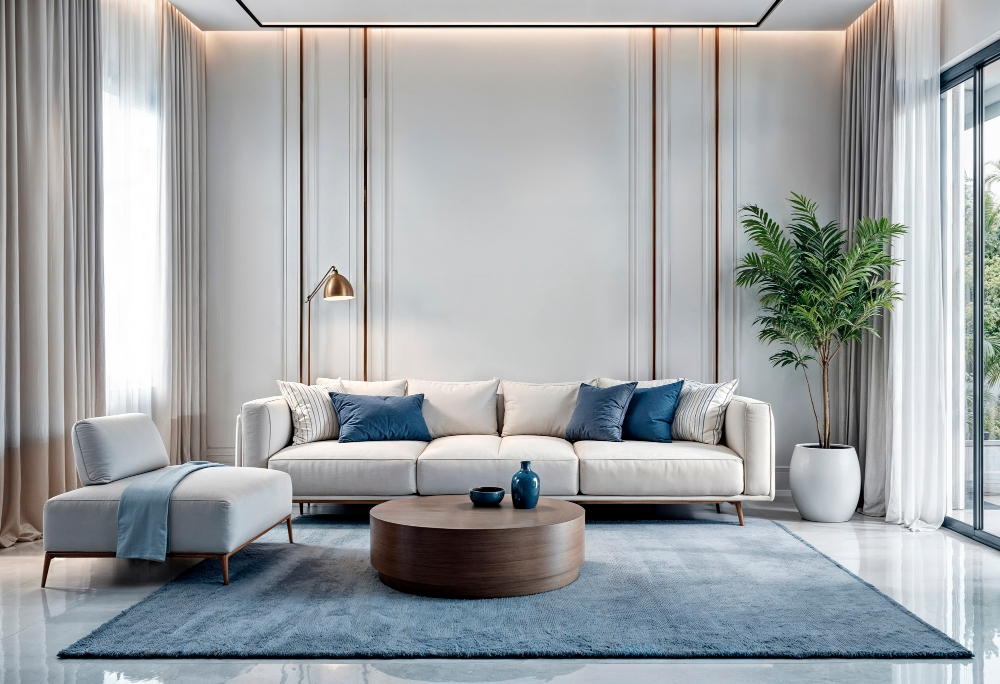

AI interior design tools are multiplying at a striking pace. What began a few years ago as a limited technical experiment has today become a full-fledged market home to dozens of tools competing for the same purpose: helping you design your space faster, smarter, and more beautifully. But having more options hasn’t made the decision easier, it’s made it harder. Every tool promises a lot, every platform claims to be the best, and the user ends up facing a long list without knowing where to start.
In this article, we go over the most important things you need to know when choosing among AI interior design tools. We’ll also cover the key criteria that make one tool the right fit for you, rather than simply the most famous one.
What Has Changed in the World of Interior Design After AI?
AI interior design tools have come to massively shift the balance in interior design and home décor.
Just three years ago, an interior designer needed days to present a single concept to their client, and likewise, a homeowner who wanted to design their own room had only two options: pay a professional designer, or guess and take a gamble.
Today, the picture is completely different. AI has made what used to take days happen in minutes.
Now you can easily upload your room’s floor plan, choose your style, and within just a few minutes see a complete 3D scene with real furniture, well-thought-out lighting, and coordinated colors.
The Real Criteria for Choosing an AI Interior Design Tool
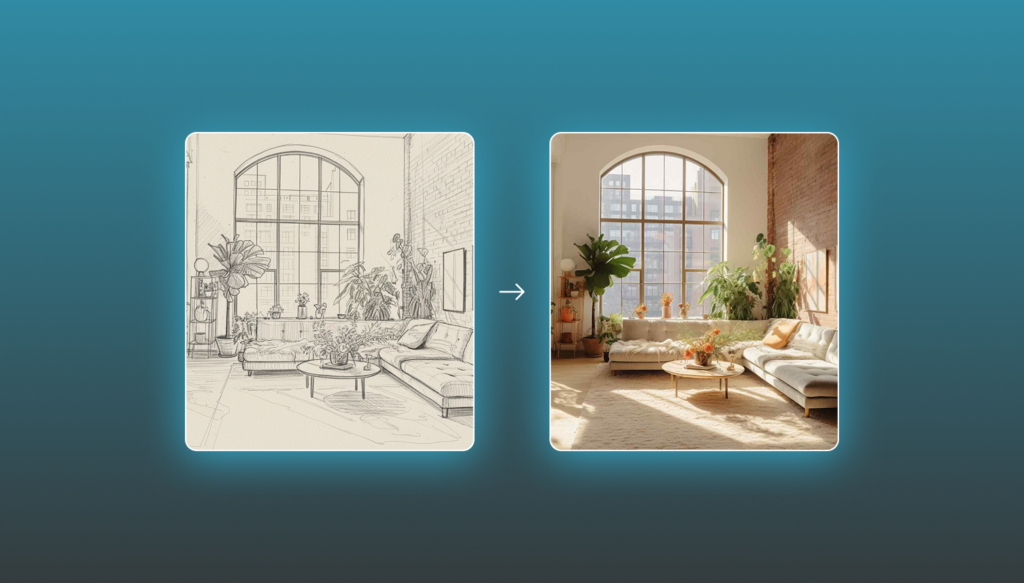
When you search for AI interior design tools, you’ll find dozens of options, each promising an amazing experience, professional designs, and unmatched ease of use.
But once you start actually using them, you discover that the differences are real and fundamental, and that making the wrong choice means wasted time and a result that doesn’t serve your goal.
Here are the most important criteria for making the ideal choice:
3D Design Accuracy
Does what you see on the screen actually reflect reality? Are the dimensions accurate? Does the lighting simulate what the real scene will actually look like? A tool that generates beautiful images but doesn’t reflect reality doesn’t solve the problem of hesitation, it adds to it.
Linking the Design to Real, Purchasable Products
A tool that shows you virtual furniture that doesn’t exist in the market gives you inspiration, not a decision.
The real tool is the one that links every piece you see in the design to an actual product you can buy today, at a real price, from a trusted merchant.
Ease of integration with different sales channels
For the merchant, the tool needs to work on their website, in their showroom, and across digital platforms all at once.
For the developer, it needs to integrate with their entire sales system, from the first session all the way through post-handover. A tool that only works in a single context isn’t enough.
Understanding of local context
Taste, market, language, and available products. AI interior design tools that don’t understand all these factors together don’t deliver real value to a user in the Gulf, no matter how technically impressive they are.
What Do Global AI Interior Design Tools Miss in the Gulf Market?
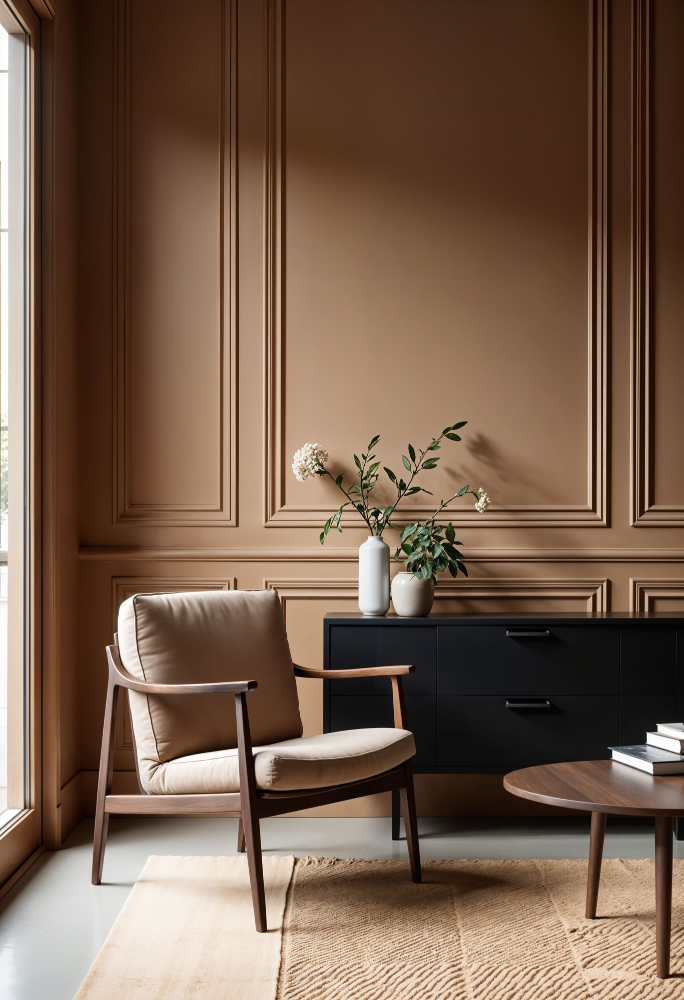
The major global AI interior design tools were built for Western markets, and that’s not a criticism, it’s a fact that directly affects their value to a user in the Gulf.
Among the most important things these tools miss, which affect the Gulf user, are:
The local catalog
When you design your room with a global tool and like the result, you discover that the furniture you saw in the design is either unavailable in the local market or requires international shipping, with costs and waiting times nobody wants.
Understanding Gulf taste
the luxurious classic style that holds a special place in Gulf design culture.
There’s also the authentic Arabic style that blends heritage with modernity, along with an emphasis on large hospitality spaces that reflect values of generosity and hosting.
None of this is understood by a tool built with a different market’s mindset in mind.
Language and the local experience
A tool with an entirely English interface, customer support in a different time zone, and a user experience that wasn’t designed for an Arabic-speaking user puts up extra barriers before it can even start delivering value.
The direct result is that the tool that’s most famous globally isn’t necessarily the right one for you if you work in the Gulf market, serve Gulf clients with Gulf tastes, and shop from Gulf merchants.
Zory: The Top Choice Among AI Interior Design Tools in the Gulf
Zory is the first AI interior design platform built specifically for the Gulf market. It’s Arabic-first, with a deep understanding of Saudi housing standards, Gulf taste, and the nature of purchasing decisions in the region.
Every technical decision, every feature, and every detail on the platform was built with this understanding in mind, not copied from Western models.
What practically sets Zory apart among AI interior design tools is that it’s linked to more than 50,000 real products from trusted merchants in the Gulf market.
Every single piece you see in a Zory design exists in the market and is available for immediate purchase.
And the numbers Zory has achieved since its launch speak clearly of real impact, not marketing claims. Specifically:
- More than 10 million views on social media with zero paid advertising.
- More than 400 active partner merchants, with more joining every month.
- More than 4,000 active users who use the platform regularly.
- And more than 6,000 AI-generated designs, each one a real experience for a user who saw their space through a different lens.
What makes Zory’s tools the top choice for every category is their ability to adapt to different needs through three integrated channels:
- For the regular user: a variety of tools for changing and improving home décor and fully furnishing it according to their own style.
- For the merchant: online presence, website API integration, and a showroom tool.
- And for the designer: a fast design tool that shortens days of work into hours and closes the deal in the very first session.
- For the developer: unit photography, a buyer gift program, and a delay-compensation portfolio.
Features of Zory’s AI Interior Design Tools for the Gulf Market
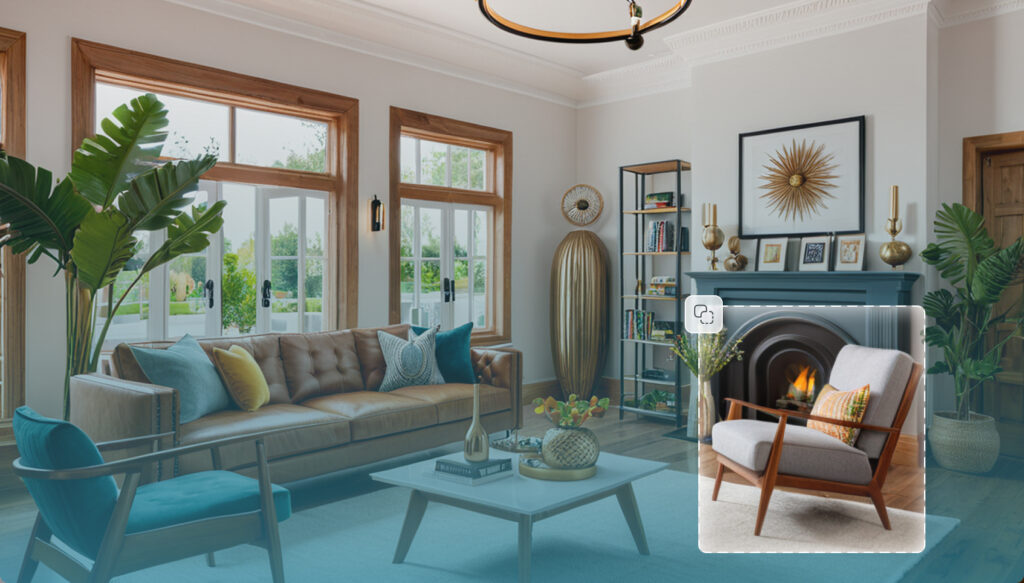
Zory delivers real value in the Gulf market that sets it apart from a tool that’s simply good on a global level, across four pillars that can’t be compromised on:
- A catalog of real products from trusted merchants in the local market. When a user designs their room and likes the result, they need to be able to buy what they see from trusted stores that deliver the product to their home in days, not months.
- A genuine understanding of Gulf style in all its variety, from luxurious classic to clean contemporary to authentic Gulf style. AI trained only on Western tastes will produce designs that look out of place or unsuitable in a Gulf context.
- Full Arabic language support, not just in the interface but in the tool’s logic, recommendations, and reports as well. Language isn’t a cosmetic detail, it’s the core of the experience for a user who thinks and decides in Arabic.
- The ability to turn design into measurable, actual sales, through things like monthly performance reports, conversion tracking, and measuring the design’s impact on purchasing decisions. These are the tools that turn a beautiful design into real commercial value.
How Do You Choose the Right Tool for Your Specific Need?
Not every user needs the same thing from an AI interior design tool. Making the right choice starts with understanding exactly what you need, not what the tool promises in general.
Here’s how to choose the right one for you among the various AI interior design tools:
If You’re an Interior Designer
What you actually need is speed in turning an idea into a clear scene that convinces the client in the very first session.
You need multiple models reflecting different styles, and a live catalog with real products linked directly to the design.
You also need a tool that shortens revision rounds rather than adding to them. AI interior design tools that give you this are worth your investment.
If You’re a Furniture Merchant
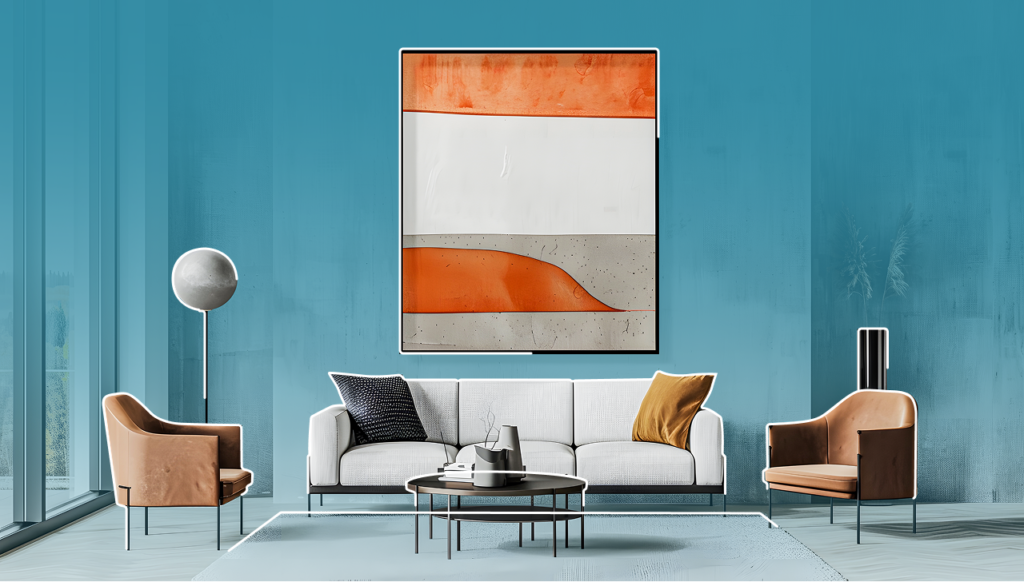
What you need is a tool that solves one very specific problem: your customer’s inability to picture your product in their own space.
The tool that places your products inside real rooms, works on your website, in your showroom, and across digital platforms, and gives you reports showing the impact of each design on sales, that’s the tool that turns your browsers into buyers.
If You’re a Real Estate Developer
Your need here is different, since you’re selling something that hasn’t been built yet, and you need a tool that gives your buyer the visual certainty that makes them sign before you raise the price.
The tool that turns a floor plan into a fully furnished home, and that integrates with every stage of the buyer’s journey from the first session all the way through post-handover, is among the best AI interior design tools for real estate that speed up your sales without compromising on price.
The Future of AI Interior Design Tools in the Gulf Region
The Gulf market is confidently moving toward a new phase of digital interior design, and this phase won’t be shaped by the tools that are most famous globally, but by the tools that best understand the local market.
The clearest trend for 2026 and beyond is integration. Design tools will stop being just design tools and will become fully integrated systems that bring together design, catalog, purchasing, and analytics all in one place.
The tool that has this integration today will be the hardest to compete with tomorrow.
And more important than anything else is that the choice you make today isn’t just a choice of a tool, it’s the choice of a partner who grows alongside you.
The tool that understands your market today and evolves with it tomorrow is the smarter investment, not the tool that looks best in a demo and then lets you down in everyday use.
Conclusion
Having more options in the world of AI interior design tools hasn’t made the decision easier, it’s made it require a clearer standard.
And the standard that remains constant, regardless of everything the tools promise, comes down to a single question: was this tool built for me, for my market, and for my customers?
The tool that gives a clear “yes” to this question in the Gulf market is the one that understands your local taste, links its designs to products you can actually find, integrates with the sales channels you work through, and gives you reports that translate beauty into sales.
Zory was built to be that answer. It is among the best AI interior design tools for every designer who wants to close their deal in the first session, for every merchant who wants to turn their browsers into buyers, for every developer who wants to sell a life, not just floor plans, and even for every regular user who wants to update their own home themselves.
Try Zory today, and discover for yourself the difference between a tool that looks good and a tool that was built for you.