

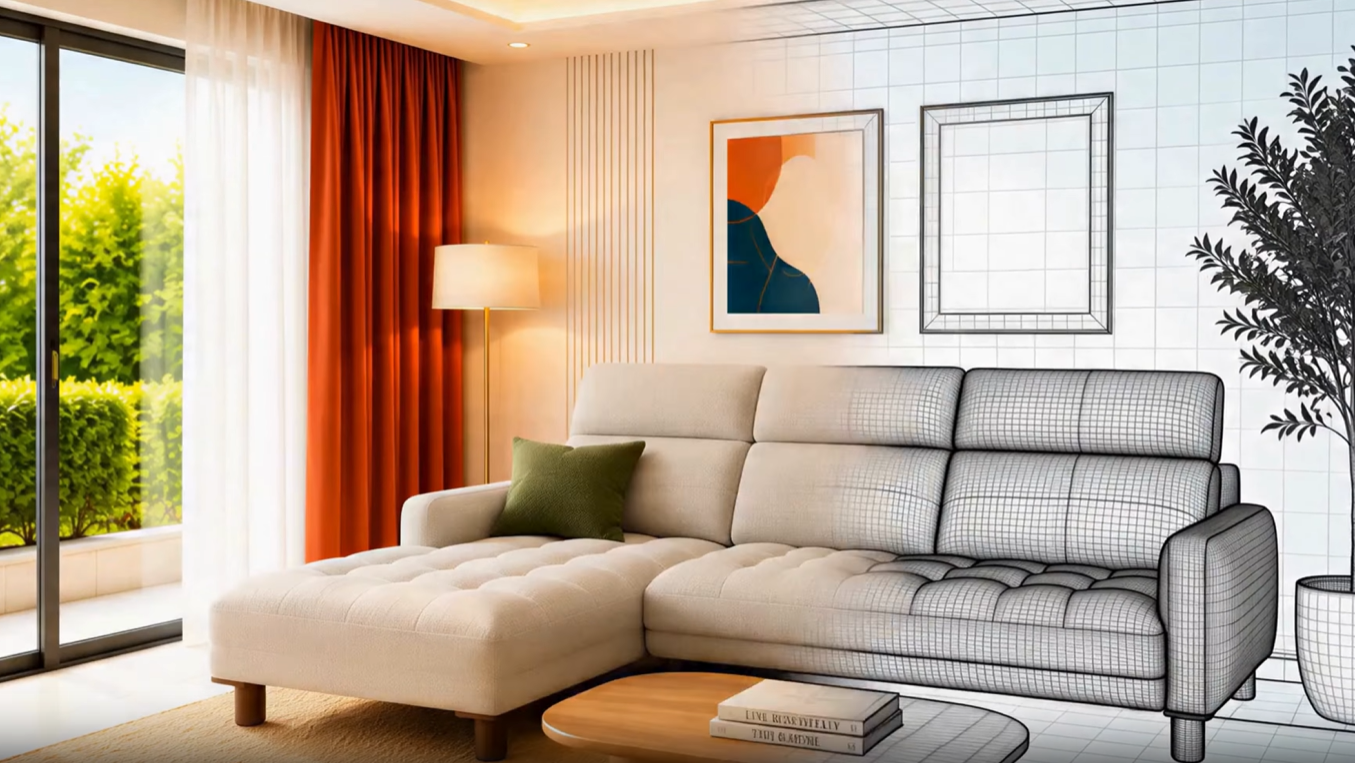

AI furniture design has become a new way to turn early ideas into clear visuals that can be developed before moving on to the execution stages. Instead of starting from a hand-drawn sketch or a mental image that’s hard to explain, you can define the shape, materials, colors, dimensions, and functions, then explore more than one design direction within a short time. The benefit isn’t limited to creating an attractive shape for the piece, this technology also helps designers, furniture retailers, and brands experiment with ideas, adjust them, and compare them before investing time and resources in developing the actual model.
In this article, we explain how AI furniture design works, what information it needs to create the design, and how it can be used to develop new furniture pieces.
What Is AI Furniture Design?
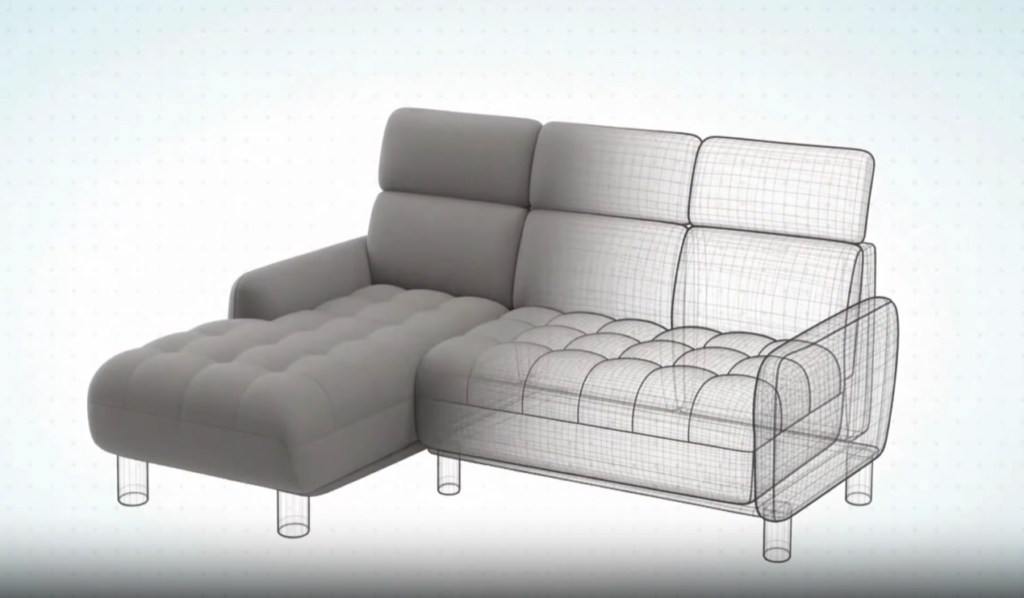
It’s the use of artificial intelligence technologies to turn a furniture piece idea into a visual concept that can be developed and adjusted.
Users can define the type of piece, its style, dimensions, colors, and materials, then get multiple visuals that help them explore the most suitable shape.
It’s not just about creating an image of the piece, AI can also be used at the idea-development stage, from trying out different design directions to adjusting details and comparing alternatives before moving on to the prototype or manufacturing.
How Does AI Help Turn a Simple Idea Into a Furniture Design?
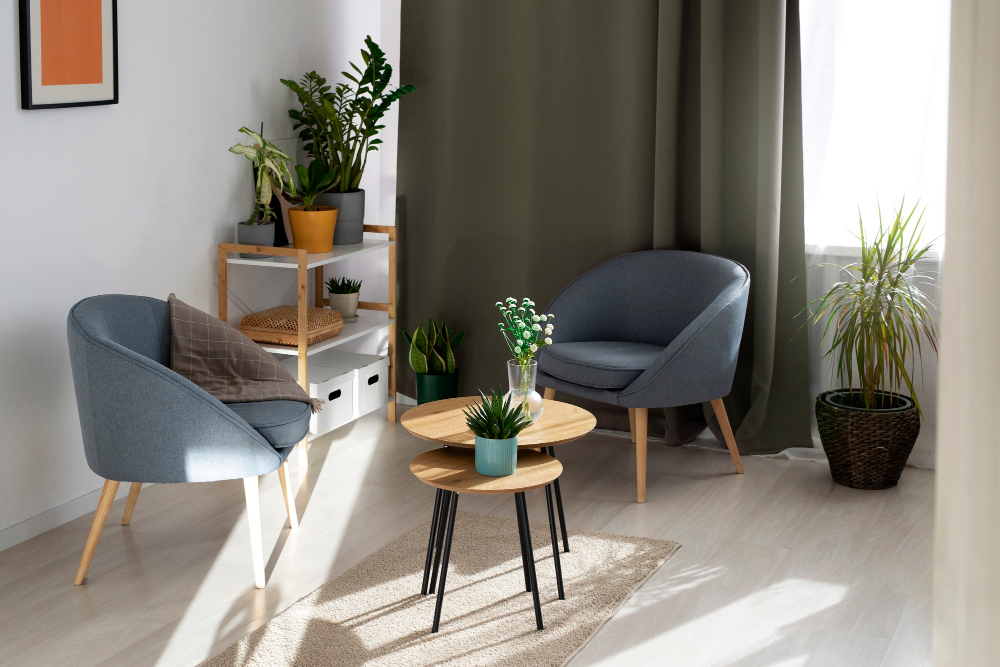
It starts with an initial idea, which could be a short description, a hand sketch, or a reference style or image.
After that, the design can be guided by defining the details you want to see in the piece. AI furniture design also helps with:
- Turning a general description into a clear visual concept.
- Trying out more than one style and shape for the piece.
- Combining different materials and colors.
- Defining the required dimensions and functions within the design concept.
- Creating several directions that can be compared.
- Adjusting the design gradually instead of rebuilding it from scratch.
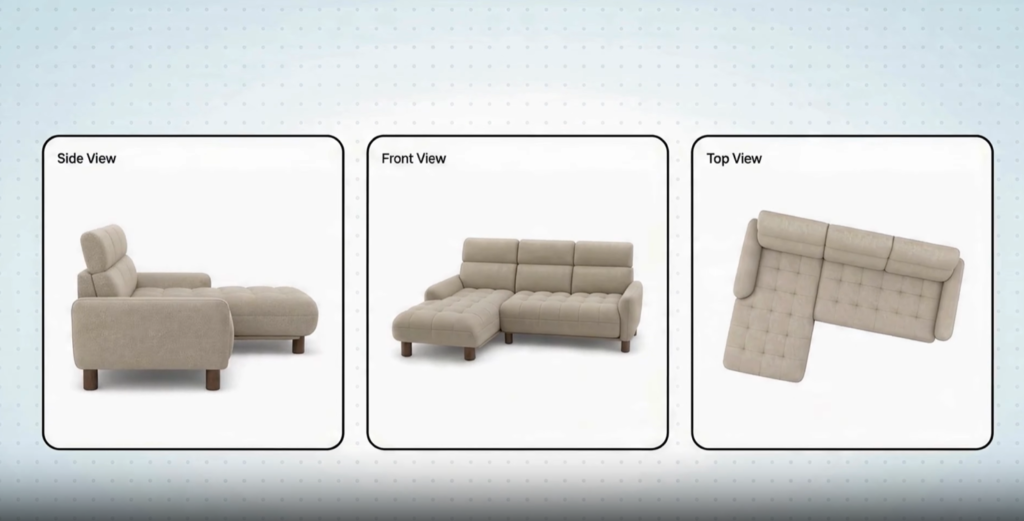
- Exploring the furniture from different angles to better understand its shape.
What Information Does AI Need to Design a Furniture Piece?
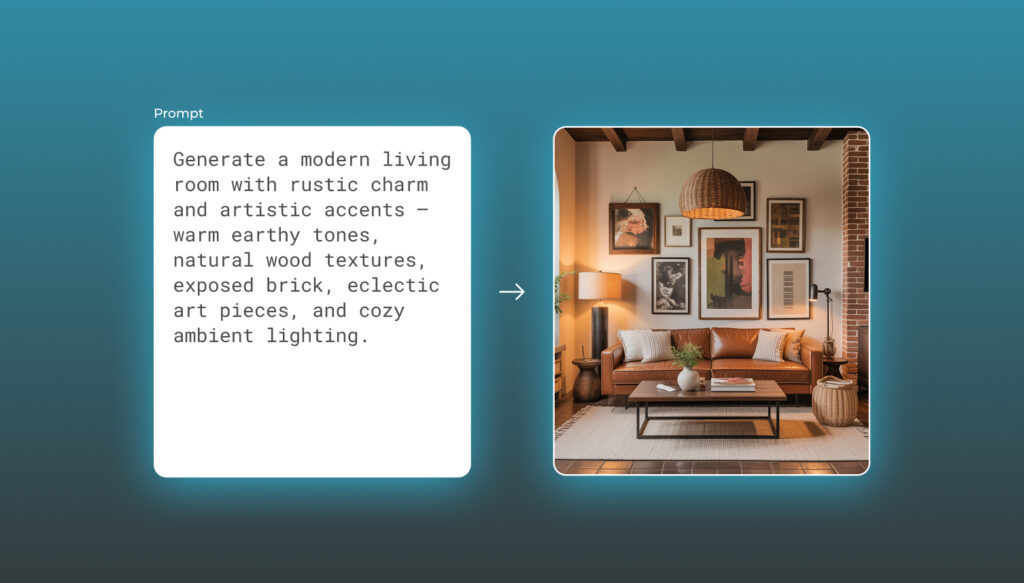
The clearer the details of the idea, the easier it becomes to guide the design toward the desired result.
Among the most important pieces of information that can be defined during AI furniture design are:
- Type of Piece: Such as a sofa, chair, table, or storage unit.
- Shape and Design: The lines, proportions, details, and decorative elements required.
- Materials: Such as wood, metal, glass, or types of fabric.
- Colors: The main colors and the color details of the piece.
- Dimensions: Length, width, height, and dimensions related to use.
- Functions: What the piece needs to do and how it will be used.
- Target Category: The users or customers the piece is designed for.
- Manufacturing Requirements: The constraints or considerations that need to be taken into account when developing the product.
What Types of Furniture Can Be Designed With AI?
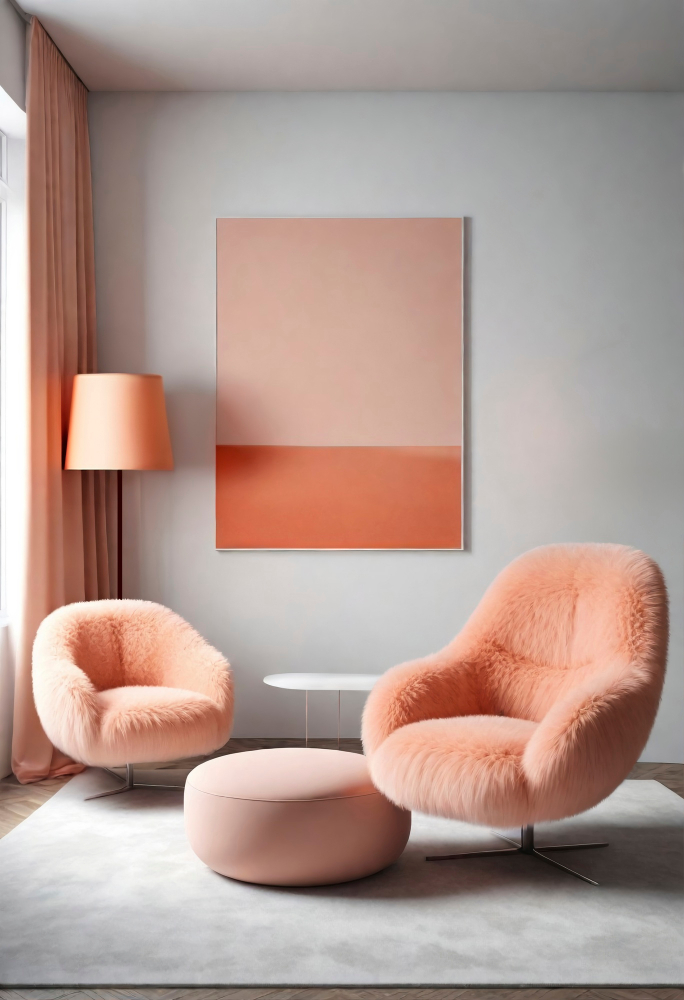
AI can be used to develop visuals for a wide range of furniture pieces, whether common products or custom designs. Among the most notable are:
- Sofas: With different designs, shapes, materials, and sizes.
- Chairs: From home chairs to distinctive design pieces.
- Tables: Such as dining tables, coffee tables, and desks.
- Beds: With the ability to define the design, dimensions, and materials.
- Storage Units: Such as cabinets, wardrobes, and TV units.
- Desks: With designs suited to home or commercial use.
- Custom Furniture: Developed according to a specific space or the needs and target category defined.
Who Can Benefit From AI Furniture Design?
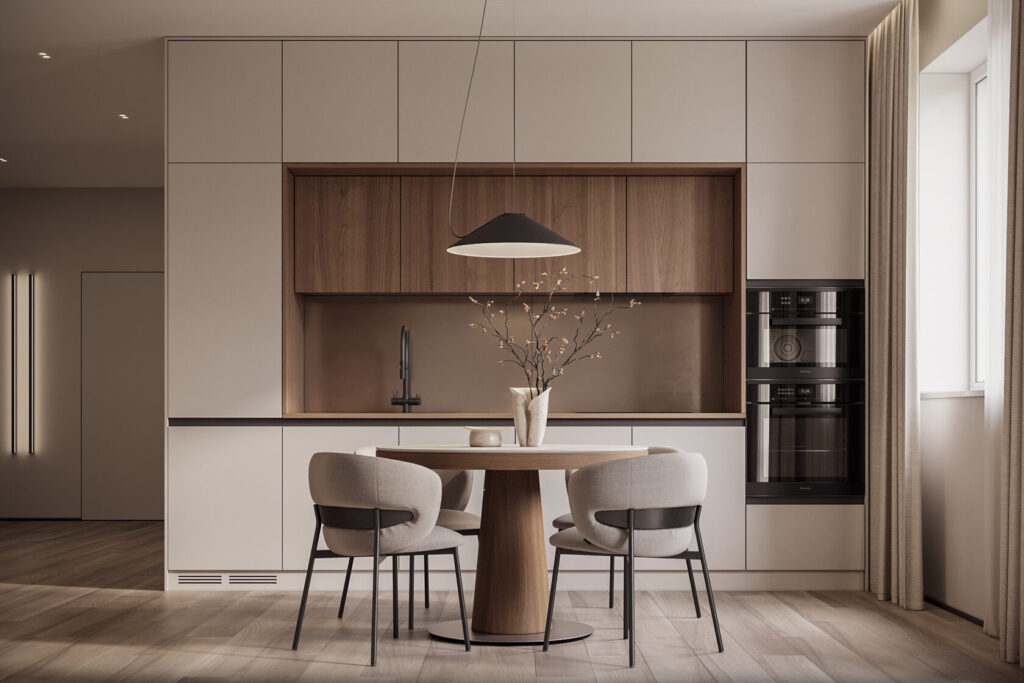
The benefit of this technology isn’t limited to furniture designers alone, it extends to the various parties involved in developing and selling products, including:
- Furniture Factories: To get initial visuals that can be developed before the manufacturing stages.
- Furniture Retailers: To envision new products or ranges that fit customer needs.
- Brands: To test new product ideas before investing in their development.
- Interior Designers: To develop custom pieces that fit their projects and space needs.
What Are the Benefits of Using AI in Furniture Design?
AI interior design offers clear value, especially in the early stages of product development, as it helps move from an idea to several visuals that can be evaluated and developed.
Among the most important benefits of AI furniture design are:
- Speeding up idea development instead of relying on a single concept.
- Exploring multiple visuals for the same piece within a short time.
- Reducing trial time when testing shapes, materials, and colors.
- Expanding design options and opening the door to new ideas.
- Making it easy to adjust details such as dimensions, colors, materials, and design.
- Improving comparison between more than one direction before choosing the most suitable design.
- Supporting communication between the designer and the production team through a clearer product visual.
- Reducing risk in the early stages by testing the idea visually before developing an actual model.
What’s the Difference Between Traditional Furniture Design and AI Furniture Design?
The main difference between them relates to how ideas are generated and alternatives are tried out, not to replacing the design process entirely.
The following table shows the main differences between traditional furniture design and design using AI interior design tools:
| Traditional Design | AI Design | |
| Generating Ideas | Relies more heavily on the designer and their tools | Helps explore multiple directions quickly |
| Speed of Trial | Each idea may take time to show | Several visuals can be created within a short time |
| Alternatives | The designer often starts from one specific direction | Makes it easier to compare different design directions |
| Materials and Colors | Tested according to available design tools | Multiple combinations can be tried quickly |
| Adjustment | May require reworking parts of the design | Details can be adjusted and the concept developed repeatedly |
| Product Development | Moves from idea to design and prototype stages | Supports the idea and concept stage before moving to actual development |
What’s the Best Tool for AI Furniture Design?
Zory is a practical choice for AI furniture design, especially for designers, brands, and furniture retailers who want to move from an initial idea to a clear product concept.
Zory’s AI furniture design tool lets you define the type of piece and the design direction, then add details such as materials, colors, dimensions, and functions, with the ability to factor in market and manufacturing requirements as part of the development process.
You can also start from a sketch or an inspiration image to guide the design, then create more than one visual instead of relying on a single idea, making it the best Arabic platform for AI interior design.
All of this makes Zory useful not just for creating an attractive image, but for exploring and developing the product before moving on to the execution stages.
How Does Zory Help Furniture Designers Develop New Products?
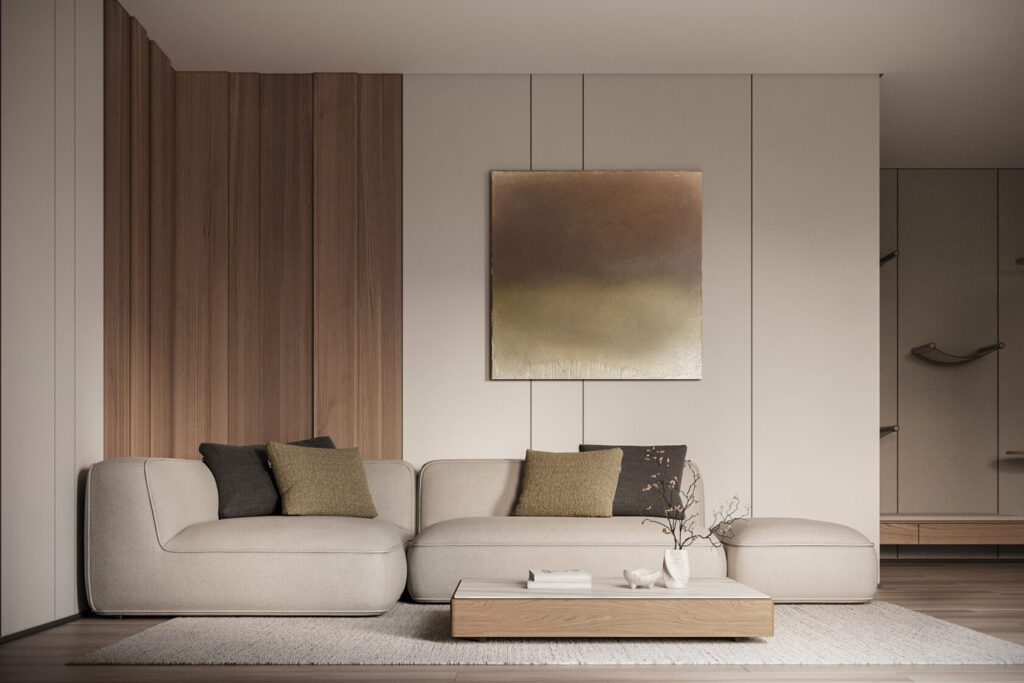
Zory’s practical value shows in its ability to shorten a long stage of visual trial and turn it into a more flexible process, where ideas can be tested and developed step by step. Designers can use it to:
- Explore Several Directions: Create different visuals for the product and compare them before choosing the most suitable path.
- Develop the Details: Adjust the shape, dimensions, colors, and materials according to the desired goal.
- Design Market-Oriented Products: Take the target category, budget, and product requirements into account from the start.
- Make Use of Multiple Sources of Inspiration: Use a sketch or an image as a starting point for developing a new idea.
- Understand the Product Visually: View the design from the front, side, and perspective angles for a clearer concept.
- Iterate on Development Easily: Adjust the design more than once until reaching a direction that best suits the product.
How Do You Design a Furniture Piece From Scratch With AI?
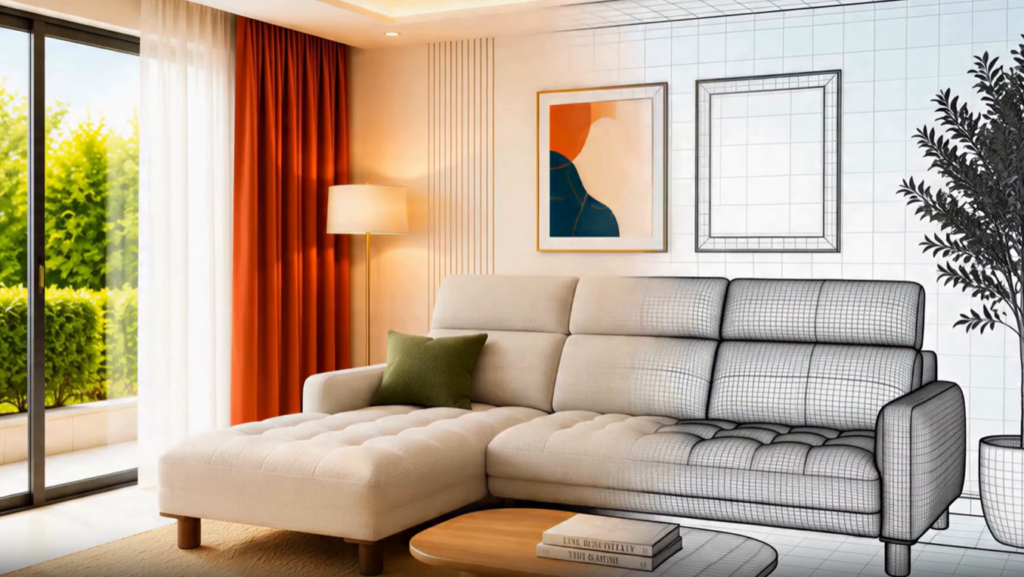
You can start from a simple idea and turn it into a complete concept using Zory’s AI furniture design tool through the following simple steps:
- Click the “Design Furniture” button, and you’ll be taken to the tools panel, then click “Project Name” and give a suitable name to the piece you want to design.
- Define the piece you want to design and its general direction, such as designing a modern chair or a practical table.
- Enter the design specifications, such as the shape, dimensions, materials, colors, and required functions.
- Define the user and target market, taking budget and manufacturing requirements into account if they’re part of the product.
- Add a source of inspiration if needed, such as a design sketch or a furniture image, to clarify the visual direction.
- Create several visuals instead of settling for a single design, then compare them to choose the best direction.
- Develop the chosen design by adjusting the details, dimensions, materials, and colors.
- Explore the piece from different angles to get a clearer view of the product’s shape before moving on to the next development stages.
What Should You Check Before Executing an AI-Generated Furniture Design?
AI furniture design represents a strong starting point for product development, but it doesn’t automatically mean the piece is ready for manufacturing.
Before actually executing it, several important aspects need to be reviewed, including:
- Dimensions and Measurements: Making sure they suit the intended use and target space.
- Manufacturability: Reviewing whether the shape can actually be produced using the available manufacturing techniques and equipment.
- Materials: Making sure the materials are available and choosing them to suit the piece’s function.
- Function: Testing whether the design practically serves its intended purpose.
- Stability and Safety: Especially for chairs, beds, tables, and storage units.
- Durability: Making sure the design and materials can withstand the expected use.
- Production Cost: Comparing the design against the target budget and the cost of materials and manufacturing.
- Market Fit: Making sure the proposed shape, functions, and price suit the target category.
In conclusion, developing a new furniture piece requires moving directly from the idea to drawing and execution, as AI has become a practical space for exploring design and trying out materials, colors, and dimensions, and comparing more than one concept before making a decision.
With the right tools, a designer or brand can turn an initial idea into a clearer design direction, then develop it according to the product’s and market’s needs.
Try Zory today and explore multiple ideas and designs for the furniture piece you’re imagining, and develop its details step by step until you reach a clearer concept that suits your product and your market.