

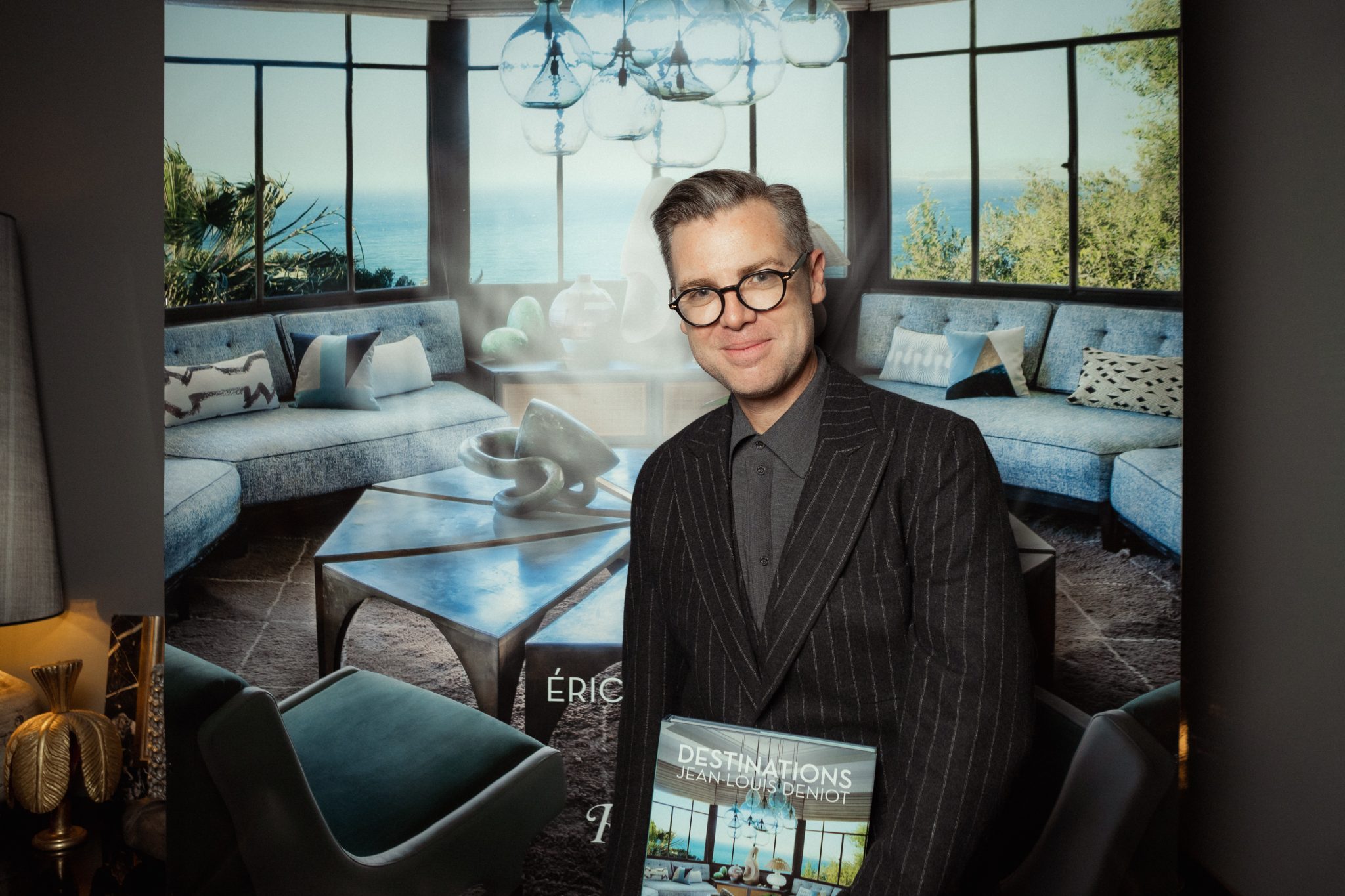

Jean-Louis Deniot is one of the leading names in modern interior design, known for his unique ability to merge classic and contemporary styles in a seamless, balanced way. His work goes beyond visual beauty, capturing the spirit of a space and reflecting the personality of its users, turning every room into a complete artistic experience that combines tradition with modernity. In this article, we explore Jean-Louis Deniot’s journey, his distinctive philosophy, and the style that has inspired designers around the world.
A Look at Jean-Louis Deniot’s Life and Early Career
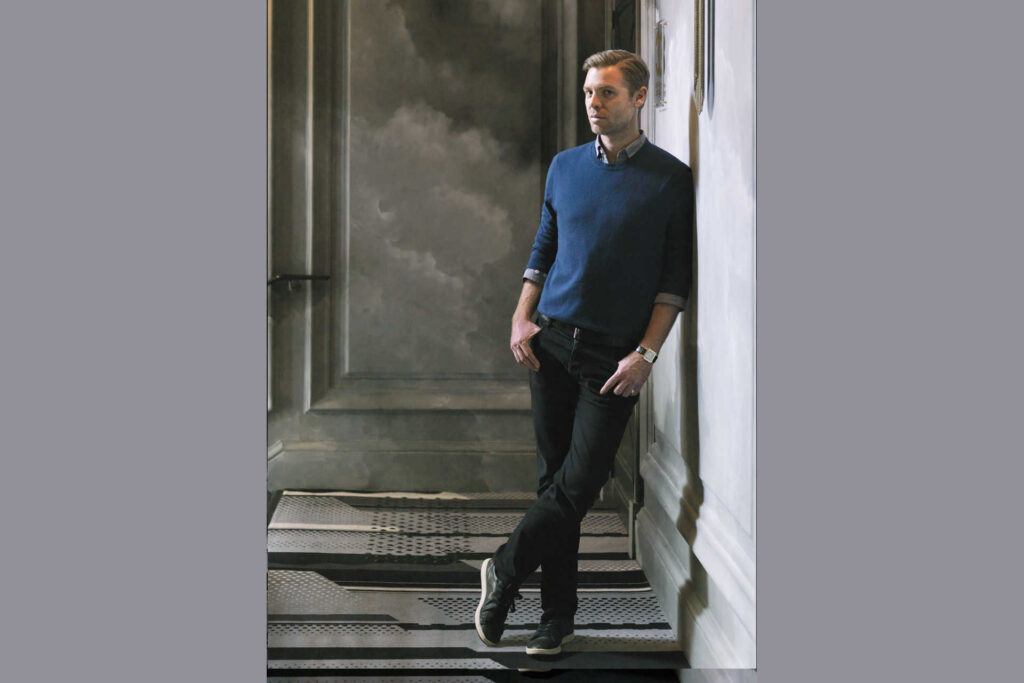
Born in France in 1974, Jean-Louis Deniot grew up in an artistic and cultural environment that shaped his aesthetic vision from an early age.
He was fascinated by spaces and materials, curious about how design can reflect personality and create a complete experience within a room.
Deniot studied interior design and applied arts at one of France’s leading schools, gaining the theoretical and practical foundation that later helped him develop his signature style.
Early in his career, he worked on small residential projects, blending classic French influences with modern touches. This balance between old and new soon became a hallmark of Jean-Louis Deniot’s work.
Over time, his projects expanded to include luxury hotels, commercial buildings, and high-end homes worldwide, establishing him as a reference point for designers aiming to combine classic and contemporary design with elegance.
Jean-Louis Deniot’s Philosophy in Interior Design
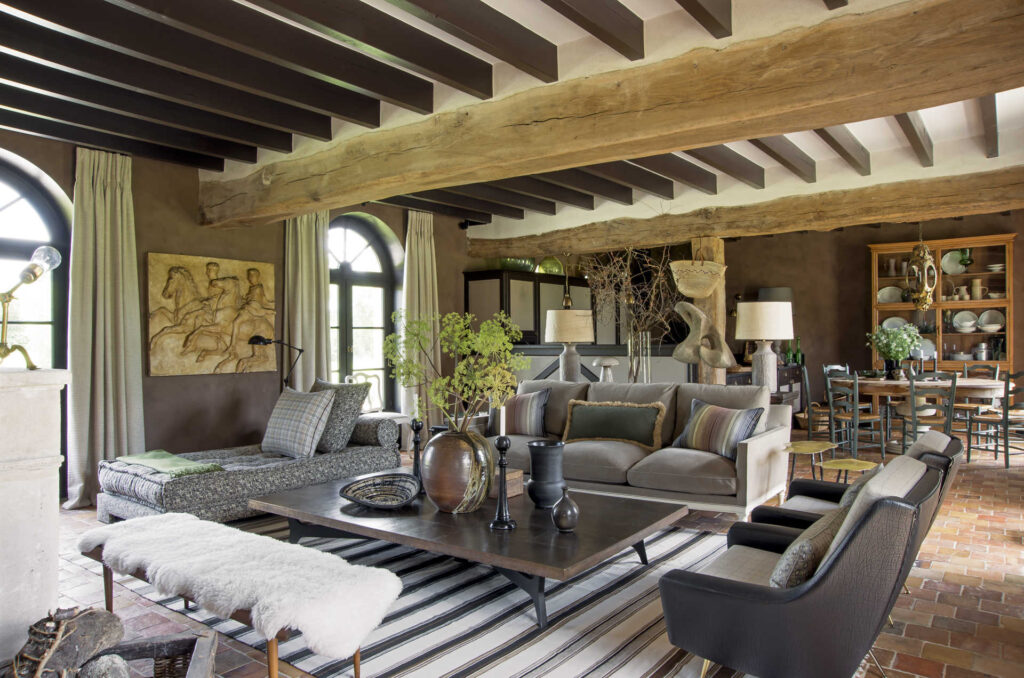
Jean-Louis Deniot believes interior design should go beyond aesthetics and truly reflect the character of the space and its occupants.
He sees the harmony between classic and modern elements as essential, ensuring traditional features complement contemporary touches without clashing. Key principles of his philosophy include:
- Balance between old and new: Merging classic details with clean, modern lines naturally.
- Highly functional spaces: Design should serve daily use as well as visual appeal.
- Harmonized colors and materials: Calm tones and natural textures create warmth and serenity.
- Human experience: Every space should leave a positive psychological impact and evoke comfort and belonging.
- Timelessness: Designing spaces that remain elegant and coherent long after trends fade.
Jean-Louis Deniot’s Interior Design Style
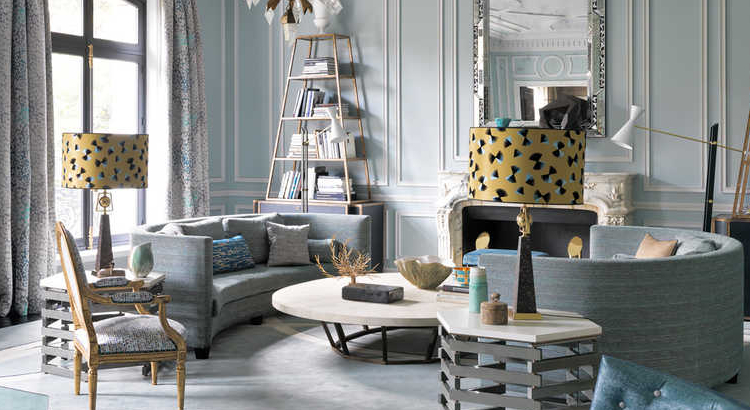
Jean-Louis Deniot’s style is recognized for blending classic and modern elements smoothly, producing spaces that are elegant yet practical.
His approach respects architectural history and classical traditions while adding modern touches that bring vitality and comfort. Features of his style include:
- Mixing old and new: Using classic elements like columns or decorative details alongside modern furniture and clean lines.
- Balanced color schemes: Neutral shades like beige, gray, and off-white, enhanced with warm accents for comfort.
- Luxury natural materials: Wood, marble, and polished metals balance elegance with practical luxury.
- Attention to detail: Careful focus on patterns, subtle ornaments, and small touches that give the space character.
- Smart spatial planning: Layouts allow freedom of movement while highlighting key elements without visual clutter.
Famous Jean-Louis Deniot Projects
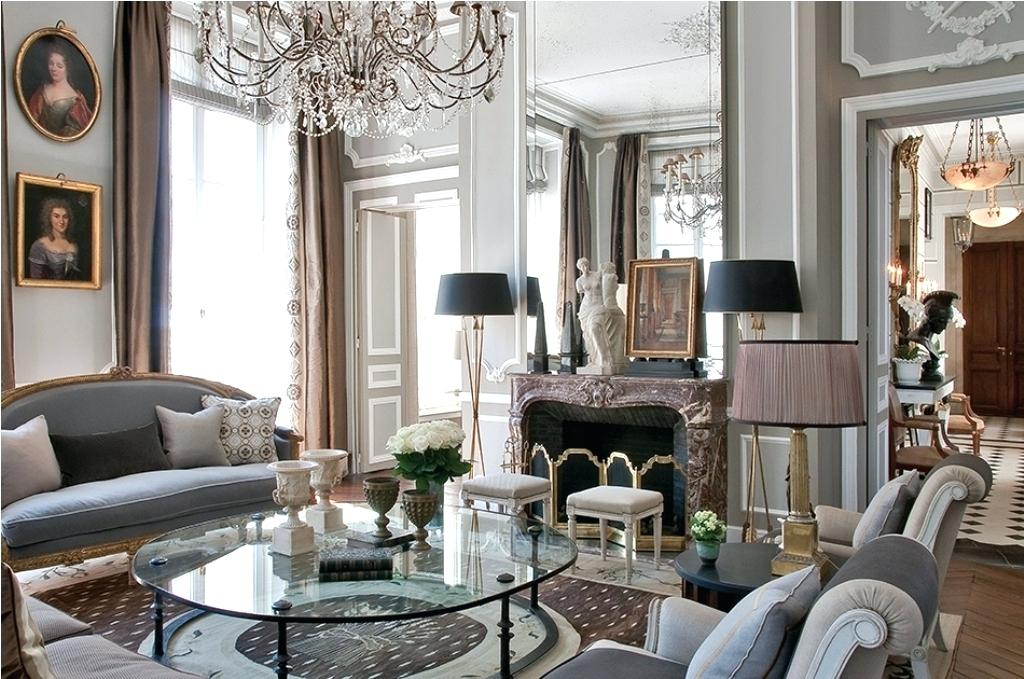
Jean-Louis Deniot has designed a wide range of projects that have made a clear mark in interior design, from residential spaces to commercial and luxury hotels. Notable works include:
- Luxury homes in Paris and New York: Blending French classicism with subtle modern touches and calm color palettes.
- High-end hotels: Rooms and lobbies combining practical luxury with psychological comfort for guests.
- Upscale commercial spaces: Stores and showrooms with clear spatial organization and striking visual balance.
- Custom furniture design: Signature pieces that balance functionality and beauty.
- Comprehensive architectural projects: Entire buildings designed with harmony between interior and exterior, light and shadow, and material balance.
Jean-Louis Deniot’s Impact on Contemporary Interior Design
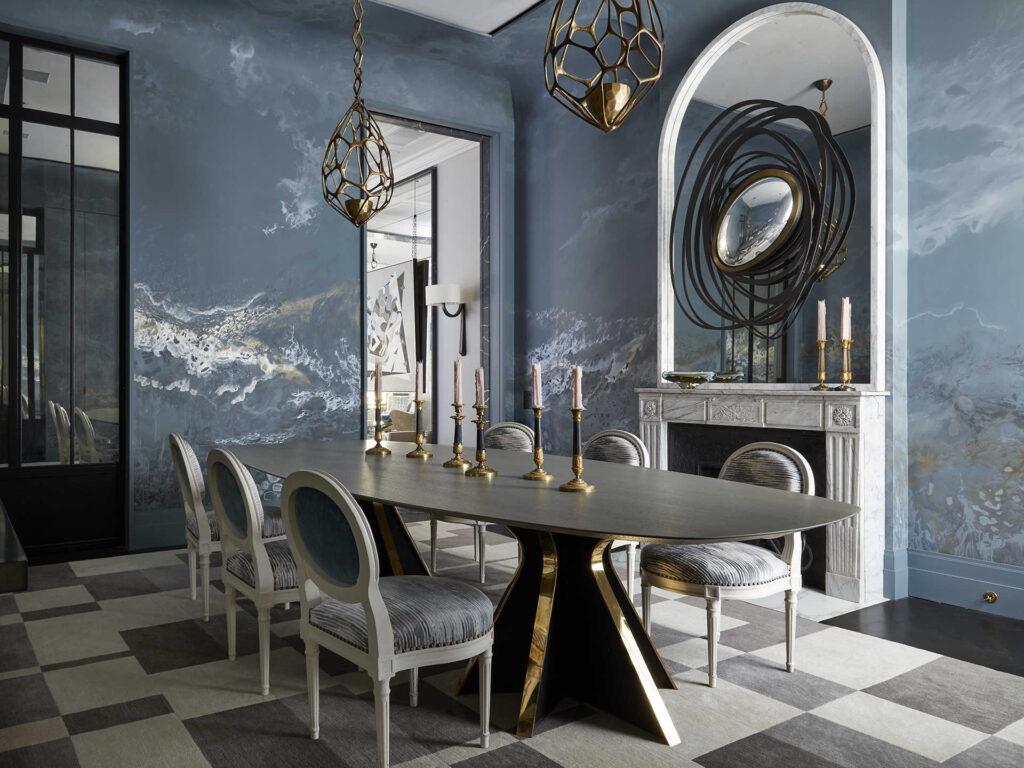
Jean-Louis Deniot has left a strong influence on contemporary interior design, showing how classic and modern elements can be harmoniously combined.
His philosophy has redefined luxury, focusing on balance, function, and the human spirit rather than excessive ornamentation. His style has impacted:
- Modern design trends: The blend of old and new has become a standard approach in contemporary projects.
- Younger designers: Inspired to harmonize historical elements with modern touches.
- Luxury hotels and homes: Combining classic details with contemporary furniture is now a benchmark for practical luxury.
- Long-lasting aesthetic values: Spaces designed to remain elegant and consistent over the years, beyond passing trends.
Applying Jean-Louis Deniot’s Style in Personal Spaces
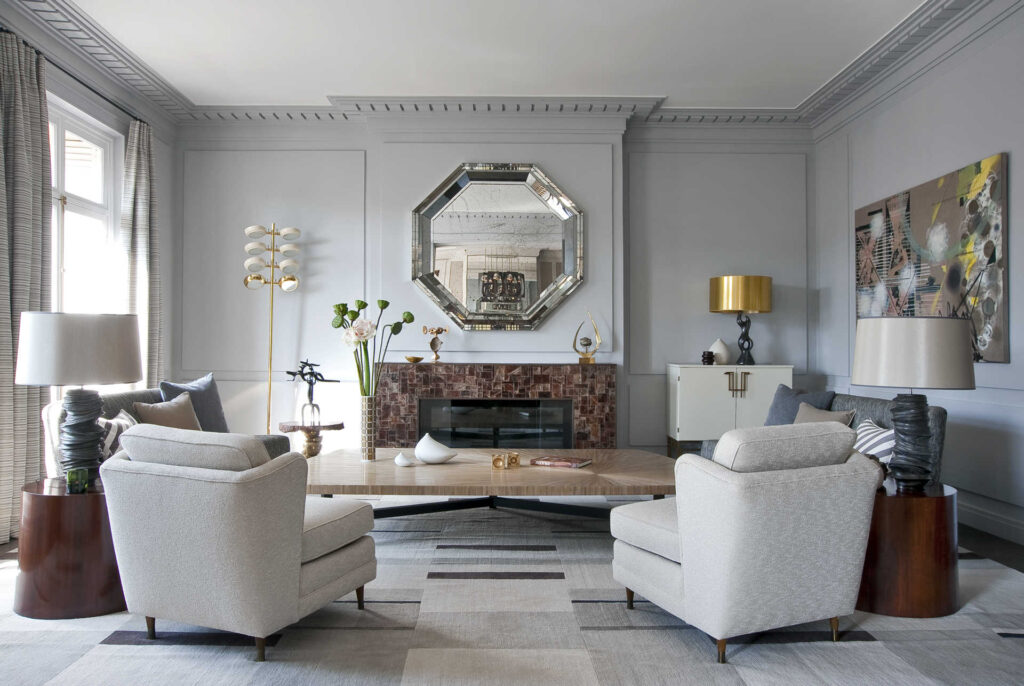
Anyone can bring Jean-Louis Deniot’s philosophy into homes or offices, even with smaller spaces or limited budgets, by following these steps:
- Balance old and new: Pair a classic furniture piece with simple modern elements like lighting or accessories.
- Choose a calm color palette: Beige, gray, and off-white create a sense of spaciousness and tranquility, with small pops of color in cushions or décor.
- Focus on natural, luxurious materials: Wood, marble, and polished metals add warmth and practical elegance.
- Organize the space thoughtfully: Ensure each item has its place to avoid clutter while highlighting standout pieces naturally.
- Add personal touches: Family photos, small art pieces, or classic collectibles bring personality to the space.
Following these principles, anyone can create a balanced environment that combines elegance, comfort, and personal spirit, just like Jean-Louis Deniot’s world-class projects.
Conclusion
Jean-Louis Deniot has shown that merging classic and modern styles isn’t just a visual choice, it’s a design philosophy that creates balanced, elegant, and practical spaces.
His influence spans luxury homes, hotels, and commercial spaces, inspiring designers globally to embrace a renewed vision that honors the past while keeping pace with the present.
With innovative tools like Zory AI, exploring and visualizing this approach has become easier, allowing users to plan personal spaces inspired by Jean-Louis Deniot’s philosophy before bringing them to life.